Owning a car comes with both freedom and responsibility. Vehicles provide convenience and mobility, allowing people to commute, run errands, and explore new places with ease. However, every car owner must understand that maintaining a vehicle requires regular attention, informed decision-making, and proactive care. From minor routine maintenance to knowing how to respond to unexpected issues, being a knowledgeable car owner can prevent costly repairs, improve safety, and extend the lifespan of your vehicle. Beyond the mechanical aspects, being mindful of driving habits, environmental conditions, and emergency preparedness all contribute to responsible ownership.
Understanding Your Vehicle’s Maintenance Schedule
Proper maintenance is one of the most critical responsibilities of car ownership. A vehicle is made up of numerous mechanical systems that require routine checks and servicing to perform efficiently. Following a regular maintenance schedule helps prevent unexpected breakdowns and costly repairs, ensuring that your car runs smoothly for years. Standard maintenance often includes oil changes, tire rotations, brake inspections, fluid checks, and engine assessments. By staying on top of these tasks, car owners not only protect their investment but also maintain optimal fuel efficiency, safety, and resale value. Maintenance schedules are typically provided in the vehicle’s manual, but many drivers benefit from additional reminders or service alerts from their trusted service providers. It is important to establish a working relationship with a qualified mechanic who can assess your vehicle’s unique needs. A mechanic can identify early signs of wear, recommend preventive measures, and provide detailed explanations for necessary repairs. They can also help you adjust the maintenance schedule based on driving habits, climate conditions, and the age of your vehicle. For example, vehicles driven frequently in stop-and-go traffic or harsh weather conditions may require more frequent oil changes and tire inspections. By consulting a professional mechanic and adhering to a personalized maintenance plan, car owners can significantly reduce the risk of sudden mechanical failures and extend the life of their vehicle.
Recognizing Warning Signs and Dashboard Alerts
Modern vehicles are equipped with numerous sensors and alert systems designed to notify drivers when something requires attention. Dashboard lights, unusual sounds, and changes in handling are all indicators that something may be wrong. Ignoring these warning signs can lead to serious mechanical issues or compromise safety on the road. Some alerts, like low fuel or tire pressure warnings, are minor and easily addressed, while others, such as engine or brake system warnings, indicate more significant problems that require immediate attention. By learning to recognize and respond to these signals promptly, car owners can prevent more extensive damage and avoid potentially hazardous situations. A practical approach involves understanding how specific alerts relate to your vehicle’s systems and acting accordingly. For example, a failing suspension may produce unusual noises, uneven tire wear, or a bumpy ride, which signals the need for suspension repair. Early detection of such issues allows for timely intervention, preventing further damage to related components and ensuring your vehicle remains safe to drive. It’s also helpful to consult your owner’s manual and keep a record of any recurring alerts, as this information can assist mechanics in diagnosing problems more accurately. By combining observation with professional evaluation, car owners can address mechanical concerns efficiently and maintain reliable performance.
Checking and Maintaining Tire Health
Tires are one of the most critical components of any vehicle, directly affecting safety, handling, and fuel efficiency. Proper tire maintenance includes regular inspections, monitoring air pressure, and checking tread depth. Uneven wear patterns or bald spots can compromise traction, especially in wet or icy conditions, increasing the risk of accidents. Car owners should also rotate tires according to the vehicle manufacturer’s recommendations, which promotes even wear and extends tire life. Ensuring that tires are properly balanced and aligned helps the vehicle handle more predictably and reduces strain on suspension components. Regular attention to tire health is an essential part of responsible car ownership. It is helpful to keep a trusted roadside assistance service in mind in case tire issues arise while on the road. These services can provide quick support for flat tires, blown tires, or other unexpected tire problems, minimizing downtime and ensuring driver safety. Additionally, checking tires before long trips or during seasonal changes can prevent dangerous situations. For example, colder weather may reduce tire pressure, and worn tires may struggle in rain or snow. By pairing preventive maintenance with the availability of roadside assistance, car owners can handle tire-related issues promptly and maintain optimal performance.
Monitoring Fluid Levels Regularly
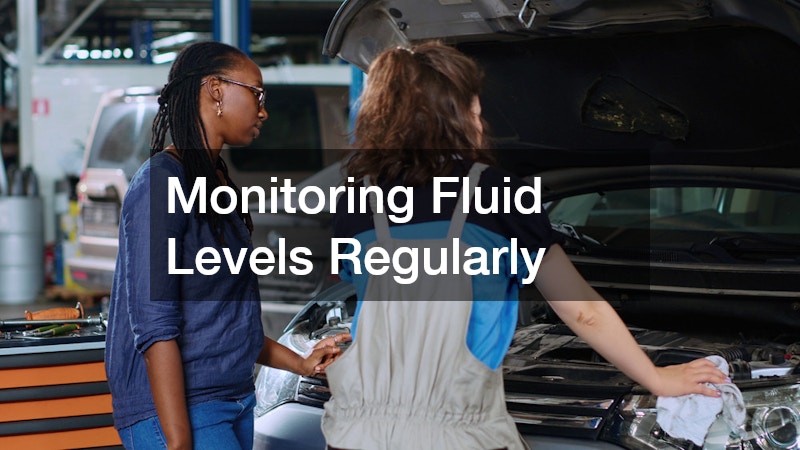
A vehicle relies on various fluids to operate safely and efficiently, including engine oil, transmission fluid, coolant, brake fluid, and windshield washer fluid. Monitoring these fluid levels regularly is a basic yet essential responsibility of every car owner. Fluids play a critical role in lubrication, cooling, and the proper functioning of mechanical systems. Neglecting them can lead to overheating, engine damage, or brake failure. While many fluids can be checked by using dipsticks or inspection ports, some require professional evaluation to ensure proper composition and quantity. Establishing a routine for checking fluid levels can help prevent costly repairs and maintain the reliability of your vehicle. Certain issues may require specialized attention from an auto glass repair service if fluid leaks are affecting critical systems like the windshield washer system or if fluids have damaged glass surfaces. For instance, a leaky windshield washer reservoir or a cracked windshield may complicate visibility while driving, posing a safety hazard. Ensuring that all fluids are topped up and free from contamination, alongside repairing any glass damage promptly, supports safe operation and protects your vehicle from secondary issues. By combining fluid monitoring with professional inspections, car owners can maintain both functionality and safety.
Keeping Your Brakes in Top Condition
Brakes are the most important safety feature on any vehicle, allowing drivers to slow down and stop effectively. Maintaining brake health involves regular inspection of brake pads, rotors, and fluid. Worn pads, warped rotors, or low brake fluid can significantly reduce braking performance and increase stopping distances. Signs that brakes need attention include squealing noises, vibration when pressing the brake pedal, or a spongy feeling while braking. Routine maintenance ensures that braking systems remain responsive and effective, reducing the risk of accidents. Car owners need to treat brake care as a priority rather than an optional service. Consulting a car accident lawyer may be relevant if brake failure has resulted in a collision or legal dispute. In such cases, documenting maintenance history and repairs can help establish responsibility and protect your rights. Knowing the condition of your braking system, performing regular checks, and addressing any issues immediately not only prevents accidents but also provides peace of mind. By combining preventive maintenance with careful attention to warning signs, car owners can maintain a reliable braking system and avoid both safety hazards and potential legal complications.
Protecting Your Car From Extreme Weather
Vehicles are exposed to a wide range of environmental conditions throughout the year, from scorching summer heat to icy winter roads. Extreme weather can damage paint, tires, brakes, and other critical systems if precautions are not taken. Sunlight can cause fading and cracking, while snow, ice, and salt can lead to corrosion or rust. Even heavy rain can damage electrical components or impair visibility if windshield wipers and washer systems are not functioning properly. Understanding how to protect a car from environmental factors is an important part of responsible ownership and helps maintain safety, performance, and long-term value. Knowing how to arrange for long-distance towing can be critical if severe weather leaves your vehicle stranded far from home or in unsafe conditions. For instance, icy roads may cause your car to slide off the road, or flooding could make it impossible to drive safely. Having a towing plan in place ensures that your vehicle can be transported without further damage, minimizing stress and cost. Combining routine protective measures, like applying protective coatings or using car covers, with access to reliable long-distance towing services helps car owners prepare for any extreme weather scenario and maintain their vehicle’s integrity.
Choosing the Right Insurance Coverage

Selecting the right insurance coverage is a fundamental responsibility of car ownership. Insurance protects you financially in the event of an accident, theft, or damage to your vehicle. Policies vary widely, offering different levels of coverage for liability, collision, comprehensive protection, and medical expenses. Car owners should carefully assess their needs, vehicle value, driving habits, and legal requirements when choosing coverage. Adequate insurance coverage provides peace of mind, reduces financial risk, and ensures you are prepared for unexpected events. Understanding how collision repair works in conjunction with your insurance is crucial for making informed choices. If your car is damaged in an accident, collision repair coverage helps cover the costs of restoring your vehicle to its previous condition. It is important to understand policy limits, deductibles, and preferred repair shops to avoid surprises during a claim. Being proactive in reviewing insurance terms and knowing which repairs are covered allows car owners to make decisions that protect both their finances and their vehicle’s condition.
Practicing Safe Driving Habits
Safe driving is the most effective way to prevent accidents and extend the life of your vehicle. Responsible driving habits include obeying traffic laws, avoiding distractions, maintaining safe following distances, and adjusting to road conditions. Safe driving is not only about personal safety but also about protecting passengers, pedestrians, and other drivers on the road. Cultivating these habits reduces the likelihood of collisions, minimizes wear and tear on the vehicle, and promotes a positive driving culture. Even the safest drivers may encounter situations where paintless dent repair is needed due to minor accidents or mishaps in parking lots. While practicing caution reduces the likelihood of such damage, small dents and dings are sometimes unavoidable. Understanding options like paintless dent repair allows car owners to maintain their vehicle’s appearance without extensive bodywork. By combining preventative safe driving techniques with knowledge of repair solutions, drivers can protect both the functionality and aesthetic value of their vehicles while enjoying peace of mind on the road.
Planning for Emergency Situations
Being prepared for emergencies is a critical responsibility for every car owner. Vehicles can break down unexpectedly, accidents can occur, and weather or road conditions can change without warning. Having an emergency plan ensures that drivers and passengers stay safe and that the situation is managed efficiently. Key preparations include keeping a first-aid kit, fire extinguisher, flashlight, and basic tools in the vehicle, as well as knowing who to contact in case of accidents or breakdowns. Emergency planning also involves understanding potential risks specific to your routes, such as areas prone to flooding, icy conditions, or heavy traffic congestion. Knowing the location and availability of a trusted auto body shop can make a significant difference during emergencies. After an accident or collision, having a reliable shop ready to handle repairs ensures that your vehicle can be restored safely and efficiently. Auto body shops not only repair visible damage but also inspect hidden structural issues that could compromise safety. By combining general emergency preparedness with knowledge of local auto body resources, car owners can respond effectively to unexpected events while minimizing stress and potential costs.
Storing and Cleaning Your Car Properly
Proper storage and cleaning are often overlooked aspects of responsible car ownership, but they are essential for preserving both the appearance and functionality of a vehicle. Regular cleaning removes dirt, salt, and other contaminants that can corrode paint and metal surfaces. Interior cleaning helps maintain a healthy environment by preventing odors and the buildup of bacteria or allergens. Proper storage, such as using a garage or car cover, protects the vehicle from extreme weather conditions, sun damage, and accidental scratches. Developing a routine for cleaning and storing your car can significantly extend its lifespan and maintain resale value. Investing in professional auto painting services can enhance the long-term protection and aesthetics of your vehicle. Scratches, chips, or faded paint can be repaired and restored, preventing rust and maintaining the car’s overall appearance. Scheduling periodic paint maintenance or touch-ups not only keeps the car looking new but also safeguards its exterior from environmental damage. By combining regular cleaning, safe storage, and professional painting services, car owners ensure that their vehicles remain both functional and visually appealing for years to come.
Being a responsible car owner goes far beyond simply driving from point A to point B. It requires knowledge, proactive care, and the ability to respond to unexpected situations. From understanding your maintenance schedule to monitoring fluids, practicing safe driving, and planning for emergencies, each step contributes to the longevity, safety, and reliability of your vehicle. Incorporating preventive care measures, maintaining tires and brakes, and protecting the car from environmental damage all reduce the likelihood of accidents or costly repairs. In addition, leveraging professional services when needed—from mechanics and roadside assistance to collision repair, paintless dent repair, and auto painting—ensures that your vehicle remains in top condition and any issues are addressed promptly and correctly. Being prepared for emergencies and understanding insurance and repair options provides financial and emotional peace of mind.