The moments immediately following a vehicle collision are often a blur of adrenaline and confusion. Whether it was a minor parking lot bump or a more significant highway incident, the path to getting back on the road involves a series of logical, necessary steps. Most drivers find themselves overwhelmed by the sheer volume of decisions that need to be made, from safety concerns to financial logistics. The primary goal during this time is to ensure that the vehicle is restored to its original safety standards while maintaining its long-term value. This guide outlines the journey from the scene of the accident to the final polish, helping vehicle owners navigate the recovery process with confidence and clarity.
The very first priority after any accident is the safety of all parties involved and the stabilization of the scene. Once everyone is out of harm’s way, the focus shifts toward documentation and legal compliance. It is standard practice to exchange information with other drivers and gather as much photographic evidence as possible. This includes wide shots of the scene and close-ups of the damage on all vehicles. These details become the foundation for any future claims. During this initial stage, contacting a provider for automobiles insurance is a critical step. An agent will typically guide the owner through the filing process, explaining what coverage applies to the specific situation. Having these conversations early helps set realistic expectations for the budget and timeline of the upcoming restoration work.
Assessing the Damage Beyond the Surface
Once the paperwork is in motion, the car needs a professional assessment. Even if a vehicle seems drivable, hidden structural or mechanical issues can pose a significant danger. A car that tracks slightly to one side or makes a new noise should be inspected by a technician immediately. A thorough checkup will reveal if the impact affected the frame, the suspension, or the cooling system. This initial inspection is the starting point for a comprehensive car repair plan. Technicians look for compromised crumple zones and hairline fractures in the chassis that might not be visible to the untrained eye. Identifying these problems early prevents them from escalating into more expensive and dangerous failures down the line. It also provides the owner with a detailed report that can be used to justify the costs of the restoration to the insurance company.
Modern vehicles are complex machines filled with sensitive electronics and integrated safety systems. A collision can easily jar a sensor or knock a calibration off by just a few millimeters, which might disable features like lane-assist or automatic braking. Because of this complexity, the diagnostic phase is often the most time-consuming part of the recovery. Experts use specialized scanning tools to communicate with the vehicle’s onboard computer, looking for fault codes that indicate internal distress. This level of diligence ensures that when the vehicle eventually returns to the road, it is just as safe as it was the day it left the showroom.
Selecting a Trusted Restoration Partner
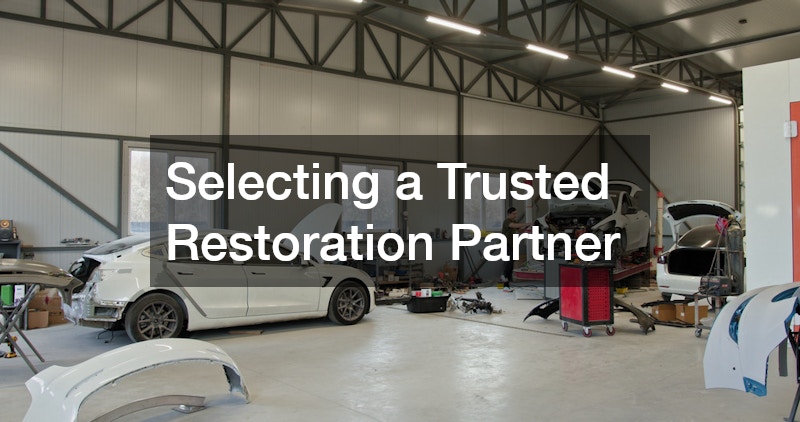
Choosing where to send a vehicle for work is one of the most important decisions an owner will make. While insurance companies often provide a list of preferred vendors, the final choice usually rests with the vehicle owner. It is beneficial to look for a facility that has a reputation for transparency and high-quality craftsmanship. A reputable auto repair garage will offer a clear estimate and take the time to explain the necessity of each line item. They should have experience with the specific make and model of the vehicle, as different manufacturers have unique requirements for parts and assembly. Checking online reviews and asking for recommendations from friends can help narrow down the options to a shop that prioritizes customer satisfaction.
The relationship between the car owner and the shop should be one of open communication. A good technician will keep the owner updated on the progress of the work and any unexpected findings. Since parts availability can sometimes cause delays, knowing the status of orders helps the owner plan their daily life, perhaps by extending a rental car agreement. A professional shop also stands behind its work with a warranty, giving the owner peace of mind that the fixes will last. This stage is about building trust and ensuring that the vehicle is in the hands of professionals who treat it as if it were their own.
Restoring Mechanical Integrity and Performance
After the exterior panels are removed and the full extent of the damage is known, the mechanical restoration begins. The drivetrain is particularly susceptible to damage in high-impact collisions. Even a front-end tap can cause the engine or the gearbox to shift on its mounts, leading to alignment issues or fluid leaks. In many cases, a specialized transmission repair may be necessary if the impact caused internal gears to slip or if the cooling lines for the gearbox were severed. Ensuring the power is delivered smoothly to the wheels is essential for both performance and safety. A vehicle that struggles to shift or makes grinding noises after an accident is not yet fully recovered.
Mechanical work also involves checking the braking system and the steering rack. These components are the lifelines of any automobile, and their failure can be catastrophic. Technicians will bleed the brake lines, check the rotors for warping, and ensure the steering column is straight. Every nut and bolt is tightened to factory specifications to eliminate vibrations. This phase of the recovery is often the most labor-intensive, but it is the part that truly brings the car back to life. It is not just about making the car move again; it is about making sure it moves with the precision and reliability the manufacturer intended.
Exhaust Systems and Environmental Safety
A frequently overlooked area in collision recovery is the exhaust system. Because the exhaust runs the length of the vehicle’s undercarriage, it can be crushed or disconnected during a rear-end or side-impact crash. A damaged muffler can lead to more than just a loud, annoying noise; it can cause exhaust fumes to leak into the cabin, posing a health risk to the passengers. Furthermore, a compromised exhaust system can negatively impact fuel efficiency and increase the vehicle’s carbon footprint. Technicians must inspect the entire path from the manifold to the tailpipe to ensure there are no cracks or clogs.
Properly functioning exhaust components are also required to pass state emissions tests. If the catalytic converter was damaged during the accident, the vehicle might fail its next inspection, leading to more headaches for the owner. Replacing or repairing these parts ensures that the vehicle remains street-legal and environmentally friendly. This attention to detail under the car is just as important as the shiny paint on top. By the time this stage is complete, the vehicle should idle quietly and run cleanly, signifying that the mechanical heart of the machine is once again in peak condition.
The Art of Exterior Body Work
With the internal components fixed, the focus shifts to the vehicle’s appearance. Bodywork is a blend of heavy-duty engineering and fine artistry. Technicians use hydraulic pullers to straighten the frame and specialized tools to smooth out dents in the metal. If a panel is too badly damaged to be saved, a new OEM part is ordered and fitted. Once the surfaces are perfectly smooth and the gaps between the doors and fenders are uniform, the vehicle moves to the paint booth. Professional car painting is a multi-step process involving primer, base coats, and clear coats. Matching the color of a three-year-old car requires a keen eye and digital color-matching technology to account for any slight fading from the sun.
The environment in which the painting occurs must be strictly controlled. Dust and debris are the enemies of a perfect finish, so high-end shops use pressurized booths with advanced filtration systems. After the paint is applied, it is often baked under infrared lamps to ensure a hard, durable finish. This process does more than just make the car look good; it protects the metal underneath from rust and corrosion. A high-quality paint job is the most visible sign of a successful recovery, and it plays a huge role in the vehicle’s resale value. When the light hits the curves of the car just right, the trauma of the accident begins to feel like a distant memory.
Interior Restoration and Final Detailing
The interior of a car often suffers during a collision, whether from the deployment of airbags, broken glass, or the simple mess of the accident scene. Chemical residues from the airbag deployment can settle into the fabrics, requiring a deep and thorough cleaning. This is where a professional car detailer becomes an invaluable part of the recovery team. They use specialized steam cleaners and vacuum systems to remove every shard of glass and every speck of dust from the cabin. This process also involves conditioning the leather and plastic surfaces to restore the “new car” smell and feel.
A clean interior is vital for the comfort and psychological well-being of the driver. Sitting in a cabin that looks and smells fresh helps erase the negative associations linked to the crash. The detailer will also focus on the door jambs, the trunk, and the engine bay, ensuring that no traces of the repair process, like sanding dust or grease, are left behind. This level of care shows that the restoration was handled with a commitment to excellence. By the time the interior is finished, the driver should feel like they are stepping into a brand-new vehicle, providing a sense of closure to the entire ordeal.
Visibility and Protective Enhancements
During the final stages of the rebuild, owners often look for ways to add extra protection to their restored asset. If the glass was replaced during the bodywork phase, the new windows will be clear and unprotected. Many drivers choose to invest in car window tinting at this point. This service provides several benefits, including reduced glare for the driver and a significant decrease in the amount of heat that enters the cabin during the summer months. It also protects the newly cleaned interior from UV damage, which can cause the dashboard to crack and the upholstery to fade over time.
Adding a high-quality tint is a functional upgrade that also improves the vehicle’s aesthetic. It provides a level of privacy for the occupants and can help keep the cabin cooler, which reduces the load on the air conditioning system. This is a small but meaningful step in the recovery process that allows the owner to customize the vehicle to their liking. When combined with the fresh paint and clean interior, these final touches complete the transformation of the vehicle from a damaged wreck back into a source of pride for the owner. It signifies that the car is not just “fixed,” but improved.
Evaluating the Financial Reality of Repairs
Throughout the restoration process, there is a constant evaluation of costs versus value. In some cases, as the teardown progresses, more damage is discovered than was originally estimated. If the cost of the mechanical work and bodywork exceeds a certain percentage of the vehicle’s total value, the insurance company may decide to declare it a total loss. When a vehicle is deemed unrepairable or financially “totaled,” the owner must look for alternative solutions. For those who want to move on quickly without the hassle of a lengthy repair, seeking out services that offer cars for cash can be a viable option. These companies buy vehicles in any condition, providing the owner with immediate funds to put toward a replacement.
Deciding to walk away from a vehicle can be an emotional choice, especially if the owner has a strong attachment to the car. However, from a financial perspective, it is sometimes the most logical path. The money received from a quick sale or an insurance settlement can be used as a substantial down payment on a newer, more reliable vehicle. This allows the owner to skip the stress of the repair shop entirely and start fresh. Navigating this crossroad requires a clear head and an honest look at the long-term reliability of a heavily repaired car.
Transitioning Back to the Road or the Market
Once the vehicle is fully restored, the owner has a choice: keep the car or move on to something else. For many, a successfully repaired vehicle will provide many more years of faithful service. However, some drivers find that the memory of the accident makes them uncomfortable behind the wheel of that specific car. If the owner decides to move on, the high quality of the repairs will be a major selling point. The world of car sales is highly competitive, and having a vehicle that looks and runs like new, supported by a full history of professional repairs, will attract serious buyers. A well-documented recovery process can mitigate the “accident history” stigma and help the owner get a fair price.
Whether the choice is to drive the car for another 50,000 miles or to list it for sale immediately, the recovery journey is finally over. The vehicle has been through a rigorous process of inspection, mechanical fixing, bodywork, and detailing. It has been legally cleared and aesthetically restored. The owner can take pride in the fact that they managed a complex situation with patience and diligence. Ultimately, the goal of vehicle recovery is to restore the mobility and freedom that a car provides.