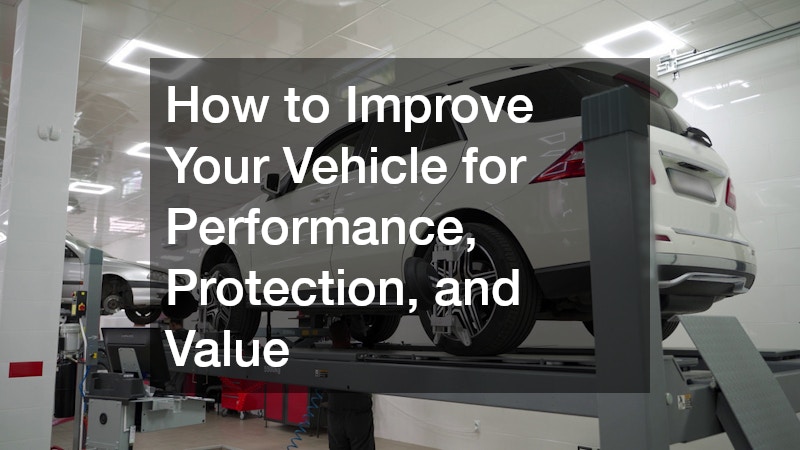
Most people treat their vehicle as something they simply maintain when problems arise—an oil change here, a repair there, and a quick clean when it becomes necessary. But when you shift your mindset toward improving your vehicle for performance, protection, and value, everything changes. Your car becomes more than just transportation—it becomes an asset that can be enhanced, preserved, and optimized over time.
The difference between a vehicle that merely runs and one that performs efficiently, stays protected, and holds strong resale value comes down to intentional decisions. From routine maintenance and preventative care to strategic upgrades and exterior protection, each choice you make contributes to how your vehicle feels to drive, how long it lasts, and how much it is worth in the long term. Instead of reacting to issues, you begin building a structured approach that strengthens every part of your vehicle.
This guide explores practical ways to improve your vehicle across three key areas: performance, protection, and value. You will learn how consistent maintenance, smart upgrades, and protective measures work together to enhance reliability, extend lifespan, and preserve resale potential. The goal is simple—help you make informed decisions that keep your vehicle performing at its best while safeguarding your investment for years to come.
Start with a Clear Plan Before You Spend a Dollar

- Is this your daily driver or a weekend vehicle?
- Do you care more about performance, appearance, or comfort?
- Are you planning to keep the vehicle long-term or sell it in a few years?
Break Your Budget Into Three Buckets
- Maintenance: oil, tires, inspections
- Protection: coatings, storage, preventative work
- Upgrades: performance, aesthetics, comfort
Prioritize Impact First
- Ride quality
- Interior comfort
- Reliability
- Visual cleanliness
Avoid Common Mistakes
- Buying parts before understanding compatibility
- Chasing trends instead of long-term value
- Ignoring preventative care
Upgrade Your Driving Experience with Smart Interior Enhancements
Know What Actually Improves Sound Quality
- Better speakers (component systems offer cleaner sound separation)
- Proper amplification (an amp gives your system the power it needs)
- Sound deadening (reduces road noise and improves clarity)
Head Unit vs Speaker Upgrades
- A new head unit can add modern features like Bluetooth, CarPlay, or Android Auto
- Speaker upgrades improve clarity and depth
Installation Matters More Than You Think
- Loose wiring causing rattles
- Improper grounding leading to static or interference
- Incorrect tuning that flattens sound quality
Small Details That Make a Big Difference
- Adding a subwoofer for low-end depth
- Using proper wiring kits
- Calibrating your system for your specific vehicle interior
Protect Your Exterior Before Damage Happens
Understand Your Options
- Wax: short-term, requires frequent reapplication
- Sealants: longer-lasting than wax but still temporary
- Ceramic coatings: durable, long-term protection
What Professional Application Includes
- Paint correction to remove imperfections
- Deep cleaning and decontamination
- Careful application in controlled conditions
Benefits You Will Notice
- Easier cleaning (dirt and water slide off)
- Enhanced gloss and depth
- Protection against UV damage and oxidation
Maintenance Tips
- Use pH-neutral soaps
- Avoid automatic car washes with harsh brushes
- Perform regular maintenance washes
Keep Your Vehicle Looking Sharp with Consistent Care
Wash vs Detail
- Interior deep cleaning
- Paint decontamination
- Trim and tire restoration
When to Use Professional Services
- You need a quick clean
- You want to maintain appearance between deeper cleans
Build a Realistic Routine
- Weekly or biweekly washes
- Quarterly detailing
- Seasonal deep cleaning
Common Mistakes to Avoid
- Using dish soap or harsh chemicals
- Washing in direct sunlight
- Skipping interior care
Interior Matters Too
- Vacuuming carpets and seats
- Cleaning vents and dashboards
- Conditioning leather surfaces
Fix Small Damage Early Before It Becomes Expensive
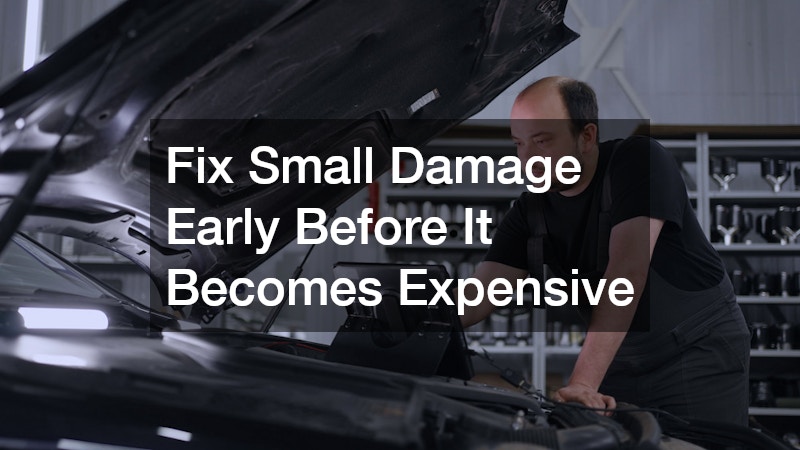
Why Small Issues Get Worse
- Exposed metal can lead to rust
- Paint chips can spread
- Dents can weaken surrounding panels
Paintless vs Traditional Repairs
- Faster turnaround
- Lower cost
- Preserves original paint
When to Visit a Shop
- Paint damage is involved
- Structural components are affected
- Multiple panels are damaged
How to Spot Quality Work
- Smooth, even surfaces
- Proper paint matching
- No visible sanding marks or overspray
Maintain Proper Alignment to Protect Tires and Performance
Signs Your Alignment Is Off
- Vehicle pulling to one side
- Uneven tire wear
- Steering wheel not centered
How Often You Should Check
- After hitting potholes or curbs
- When installing new tires
- At least once a year
Why It Matters
- Improves fuel efficiency
- Reduces strain on suspension components
- Enhances driving stability
What to Expect During Service
- Measuring angles (camber, caster, toe)
- Adjusting suspension components
- Testing for proper tracking
Add Personality Without Sacrificing Resale Value
Wrap vs Paint
- Lower cost than full paint jobs
- Easier to change or remove
- Protection for original paint
Popular Options
- Full color changes
- Matte or satin finishes
- Partial accents or graphics
Design Tips
- Keep it clean and intentional
- Avoid overly trendy designs
- Consider how it will age over time
Protecting Your Investment
Removal Considerations
- Wraps can be removed without damaging the paint
- Original finish remains intact
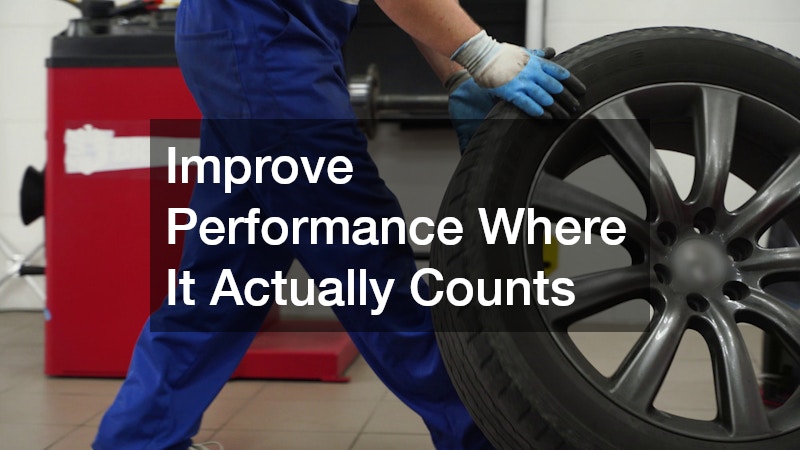
Improve Performance Where It Actually Counts
When Performance Upgrades Make Sense
- You have increased engine output
- You use your vehicle for towing or racing
- You want a smoother power transfer
Why a Custom Driveshaft Matters
- Handle higher torque
- Reduce vibration
- Improve durability
Match Your Upgrades
- Pair drivetrain upgrades with suspension improvements
- Ensure compatibility with your vehicle’s setup
Work with Specialists
- Proper measurements
- Correct materials
- Reliable installation
Protect Your Investment from the Elements
Why Protection Matters
- Paint fading
- Rust formation
- Interior damage from heat
Comparing Storage Options
- Garage: best protection, highest cost
- Carports: cost-effective, easy to install
- Open parking: no protection
Choosing the Right Setup
- Look for durable materials
- Ensure proper anchoring
- Consider snow load and wind resistance
Long-Term Benefits
- Reduced maintenance costs
- Better resale value
- Improved overall condition
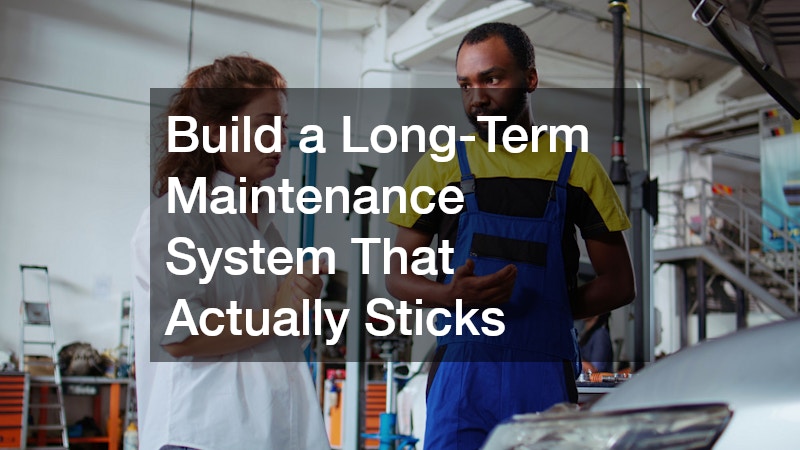
Build a Long-Term Maintenance System That Actually Sticks
Keep It Simple
- Regular inspections
- Scheduled maintenance
- Easy-to-track routines
Create a Schedule
- Monthly: basic checks and cleaning
- Quarterly: deeper inspections
- Annually: major services
Track Everything
- Services performed
- Parts replaced
- Upcoming needs
Balance DIY and Professional Help
Adjust Over Time
Conclusion: Build Performance, Protection, and Value Over Time
Improving your vehicle for performance, protection, and value is not about completing every upgrade or service at once. It is about making steady, intentional decisions that gradually enhance how your vehicle performs, how well it is protected, and how much value it retains over time.
When you focus on strengthening the fundamentals first—consistent maintenance, preventative care, and proper servicing—everything else becomes easier to manage. Adding the right upgrades, protecting exterior and interior surfaces, and addressing small issues early all work together to create long-term benefits. The result is a vehicle that is more reliable, more enjoyable to drive, and better preserved for the future.
The key is to start small and stay consistent. Choose one area to improve—whether it is maintenance routines, protective treatments, or performance enhancements—and build from there. Over time, these small, smart improvements compound into a well-balanced vehicle that feels refined, dependable, and valuable.
Ultimately, what separates a well-optimized vehicle from one that constantly struggles is not the size of the upgrades, but the consistency and intent behind them. A long-term mindset ensures your vehicle continues to improve in performance, protection, and value with every decision you make.