Owning a vehicle is one of the most significant long-term financial commitments most people make. The purchase price is only the beginning. Over the years, you’ll also pay for fuel or electricity, maintenance, insurance, repairs, tires, detailing, registration, and eventual depreciation. What surprises many drivers isn’t any one large bill — it’s how small, avoidable expenses quietly stack up.
The good news is that lifetime vehicle costs are more controllable than they seem. With deliberate habits, smart upgrades, and strategic planning, you can dramatically reduce what your car, truck, SUV, or EV costs you over 10 or 15 years. The key is shifting from reactive decisions to proactive ones.
Below is a practical, in-depth guide to doing exactly that.
Build a Preventive Maintenance Routine You Will Actually Follow
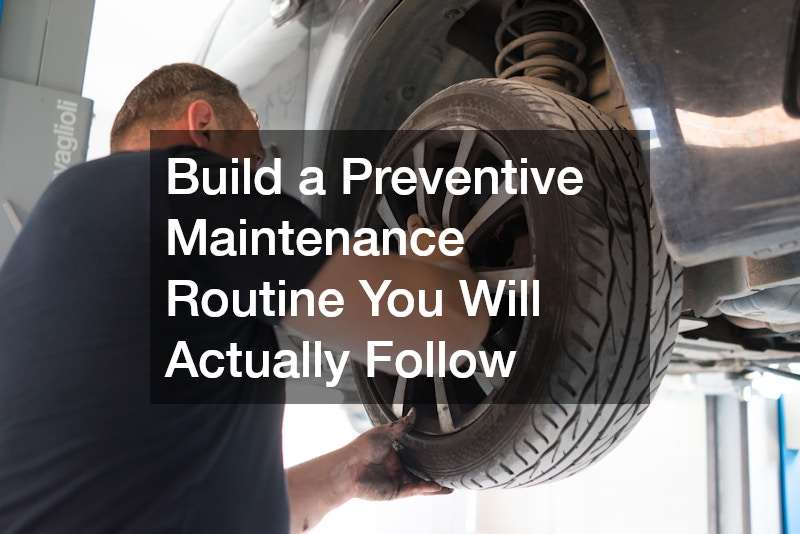
If you want to minimize lifetime expenses, consistency matters more than mechanical knowledge. Most major vehicle failures don’t happen suddenly; they develop gradually because small maintenance tasks were delayed or ignored.
The simplest example is a regular oil change service. Skipping or stretching intervals may save you a little today, but over time, it increases engine wear, reduces efficiency, and shortens overall lifespan. Engines that are properly lubricated and maintained routinely can run well past 200,000 miles. Neglected ones often struggle to make it halfway there.
Instead of relying on memory, build a system:
- Use a maintenance tracking app or digital calendar.
- Schedule reminders slightly before manufacturer recommendations.
- Keep digital copies of service receipts.
- Log mileage and dates in one consistent place.
Beyond oil, preventive care includes fluid checks, brake inspections, tire rotations, and filter replacements. Think of maintenance as protecting an investment, not just fixing a machine.
There’s also a resale advantage. Buyers pay more for vehicles with documented service histories. A simple folder showing consistent oil change service and routine upkeep can easily add hundreds — sometimes thousands — to resale value.
The goal isn’t perfection. Its reliability.
Address Small Mechanical Issues Before They Escalate
One of the most expensive habits in vehicle ownership is delay.
A faint grinding sound. A small leak on the driveway. A check engine light that ”seems fine.” These often get pushed off because the vehicle still drives. But mechanical problems compound. What might have been a minor fix can turn into significant auto repairs if ignored.
For example:
- Worn brake pads can damage rotors.
- Minor coolant leaks can cause overheating.
- Misaligned wheels can prematurely wear tires and suspension components.
When you notice something unusual, investigate early. Even a quick diagnostic scan can provide clarity. Many drivers assume that auto repairs automatically mean high costs. In reality, early repairs are almost always cheaper than emergency breakdowns.
If you’re unsure whether something is urgent, ask a technician for a risk assessment. Questions like ”What happens if I wait three months?” or ”Is this likely to cause secondary damage?” can help you prioritize intelligently.
Preventive inspections are underrated. A once-a-year comprehensive inspection — even if nothing seems wrong — often identifies wear before it becomes expensive.
The mindset shift is simple: fixing early is a financial strategy, not an overreaction.
Protect Your Exterior From Long-Term Damage
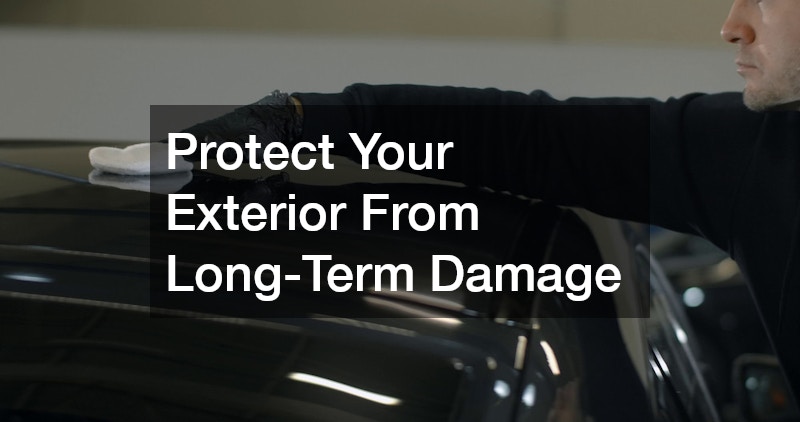
Mechanical health keeps your vehicle running. Exterior protection preserves its value.
Paint damage, oxidation, and corrosion can quietly reduce resale value long before you notice visible deterioration. Sun exposure, road salt, bird droppings, and tree sap all degrade the clear coat over time.
One effective long-term solution is car ceramic coating. Unlike traditional wax, ceramic coatings create a durable protective layer that resists contaminants and UV damage. While it requires upfront investment, it reduces the need for frequent paint correction later.
Consistency matters here, too. Hiring a mobile auto detailer makes regular upkeep easier because service comes to you. When detailing becomes convenient, it becomes consistent — and consistency prevents buildup, staining, and neglect.
Consider this scenario: two identical vehicles, five years old. One has faded paint and minor scratches. The other has been professionally maintained, washed correctly, and protected from environmental damage. The second vehicle will almost always command a higher resale price.
Exterior protection isn’t about vanity. It’s about preserving equity.
Reevaluate Your Insurance Strategy Every Year
Insurance is often treated as a fixed expense, but it shouldn’t be.
Many drivers automatically renew policies without reviewing coverage levels or rates. Over time, that can cost thousands. Auto insurance provider pricing changes frequently based on risk pools, competition, and regional data.
Make it a habit to review your policy annually:
- Compare quotes from at least two competitors.
- Adjust deductibles based on your financial comfort level.
- Ask about mileage-based discounts.
- Bundle policies where it makes sense.
Also, reassess coverage as your vehicle ages. Carrying high collision coverage on an older vehicle with low market value may not be financially logical.
It’s worth having a direct conversation with your auto insurance provider. Ask for a policy review. In many cases, simply requesting re-evaluation can surface overlooked discounts.
Insurance should evolve alongside your vehicle’s value and your driving habits. Treat it as an adjustable cost, not a permanent one.
Choose Upgrades That Improve Function Over Flash
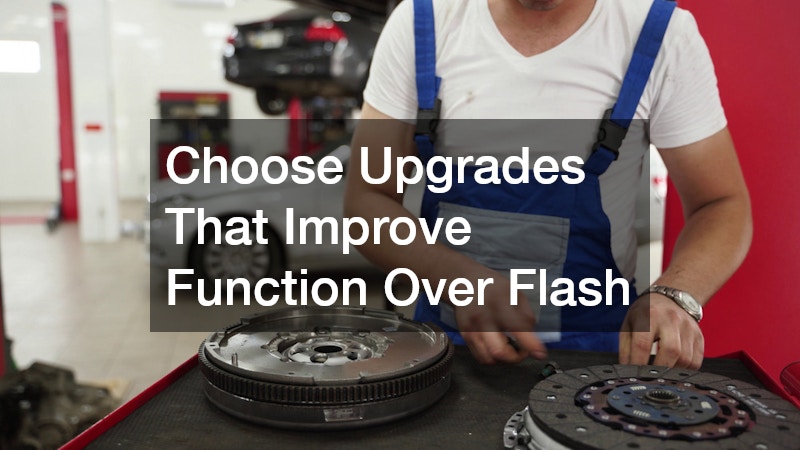
Upgrades are tempting. Aesthetic modifications, performance enhancements, and tech additions can make a vehicle feel new again. But not all upgrades improve long-term value.
The key question is: Does this improve usability, safety, or durability?
Certain aftermarket auto accessories enhance daily function — cargo organizers, protective liners, advanced safety add-ons, towing enhancements, or upgraded lighting. These can increase resale appeal when thoughtfully selected.
On the other hand, highly customized cosmetic modifications may limit your future buyer pool.
Before installing aftermarket auto accessories, consider:
- Is it reversible?
- Does it solve a real problem?
- Will it appeal to most future buyers?
Upgrades should extend usefulness, not just change appearance. A well-chosen accessory can delay the need for a new vehicle altogether, which is one of the biggest cost-saving moves you can make.
Plan for Accessibility and Long-Term Usability
Vehicle expenses often increase when a car no longer meets changing life needs. Families grow. Mobility requirements shift. Physical limitations may emerge unexpectedly.
Planning for accessibility early can prevent frequent vehicle turnover. For drivers or passengers with mobility challenges, installing a car wheelchair lift can extend the usability of an existing vehicle instead of forcing an expensive replacement.
When considering such modifications:
- Choose certified installers.
- Verify structural compatibility.
- Review warranty terms carefully.
- Ask about insurance and tax implications.
A properly installed car wheelchair lift can preserve independence while avoiding the cost of specialized vehicle purchases later.
The broader principle applies to everyone: anticipate how your needs may evolve. Vehicles that adapt with you are cheaper over time than repeatedly replacing them.
Handle Collision Damage Correctly the First Time
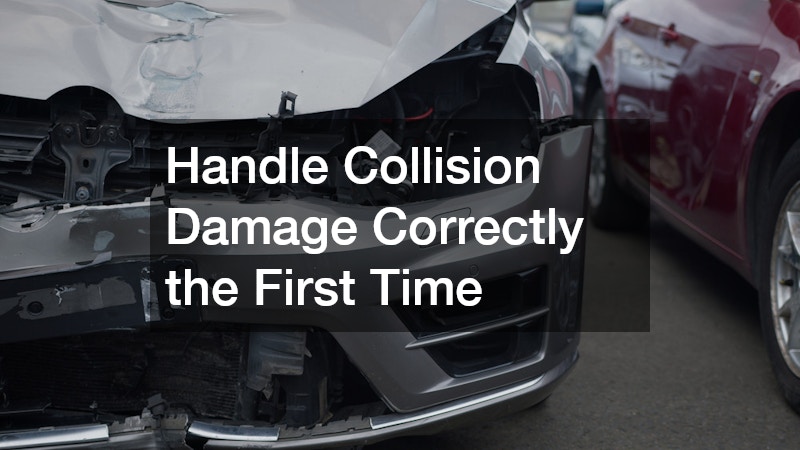
Even minor accidents can create hidden long-term expenses if not repaired properly.
After a fender bender, some drivers opt for cosmetic-only fixes or delay repairs entirely. But misaligned panels, compromised structural components, or untreated scratches can lead to rust, uneven tire wear, or suspension issues.
Choosing a reputable auto body shop matters. Quality repair ensures frame alignment, proper paint matching, and corrosion prevention. Cutting corners on collision repairs often results in future mechanical problems that cost far more than the original damage.
If filing an insurance claim, ask detailed questions about the quality and repair standards. Not all repair methods are equal.
Think of collision repair as structural maintenance, not just cosmetic correction. Done right, it protects both safety and resale value.
Reduce Energy Costs Through Smarter Driving and Charging
Fuel and energy expenses accumulate steadily over the years. Small improvements in efficiency make a significant difference long term.
For gas vehicles, smooth acceleration, steady speeds, and proper tire inflation can meaningfully improve fuel economy. For EV owners, the charging strategy becomes the focus.
Installing a home charging setup may reduce reliance on public electric vehicle charging station networks, which often have higher per-kilowatt-hour costs. Charging during off-peak hours can further reduce expenses.
If using public infrastructure, compare rates. Not all electric vehicle charging station providers charge equally. Some offer memberships that lower long-term costs.
Route planning also reduces unnecessary mileage. Combining errands and avoiding congested traffic preserves both energy and mechanical components.
Driving habits influence lifetime costs more than most people realize.
Know When It Is Smarter Not to Drive

It may sound counterintuitive, but sometimes the most cost-effective way to reduce vehicle expenses is to use it less.
Frequent short trips accelerate wear. Heavy city traffic increases brake and transmission strain. Long-term mileage accumulation directly impacts resale value.
For certain situations — airport travel, major events, business meetings — using a private car service can be more economical when you factor in parking fees, fuel, and depreciation.
For example, leaving your vehicle at the airport parking for a week, adding mileage, and risking minor lot damage may cost more than hiring a private car service for drop-off and pickup.
Strategically reducing unnecessary miles extends vehicle lifespan. It also delays major maintenance intervals tied to mileage thresholds.
Every mile avoided is future depreciation slowed.
Track Total Ownership Costs Like an Investment
Most people track fuel spending loosely and remember large repair bills. Few calculate the total lifetime cost.
Start tracking:
- Purchase price
- Maintenance expenses
- All auto repairs
- Insurance premiums
- Energy or fuel costs
- Registration and taxes
Once you track these annually, patterns emerge. You can calculate the cost per mile and identify when expenses begin exceeding the vehicle’s value.
If cumulative auto repairs begin increasing sharply year over year, it may signal the time to sell before costs escalate further.
This analytical approach removes emotion from ownership decisions. Instead of waiting for a catastrophic failure, you make data-driven choices.
Vehicles are depreciating assets. Treating them like investments improves outcomes.
Manage Depreciation From the Beginning
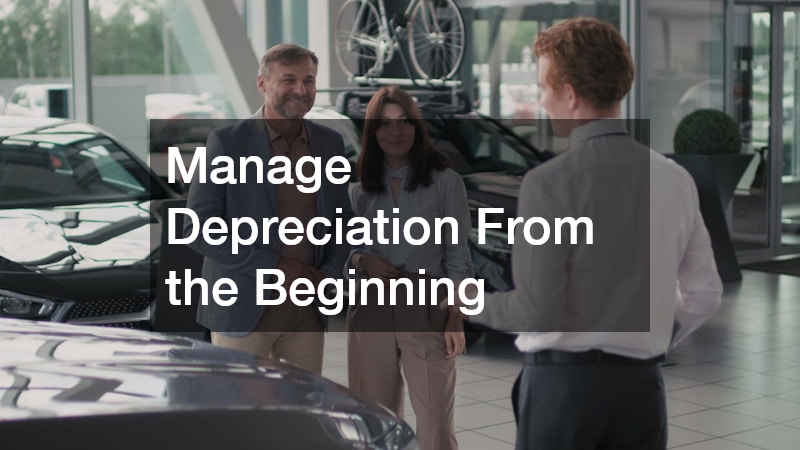
Depreciation is often the highest hidden cost of ownership. Some vehicles lose value faster than others. Researching five-year depreciation rates before purchasing can significantly affect the lifetime expense.
Beyond choosing wisely upfront, how you maintain the vehicle matters.
Consistent documentation — including routine oil change service — reassures buyers. Avoiding accidents and maintaining cosmetic condition also preserves value.
Mileage control is critical. Vehicles that stay below major psychological thresholds (like 100,000 miles) tend to retain value better. If you are approaching such a milestone and considering selling within a year, earlier action may yield better returns.
Depreciation cannot be eliminated, but it can be managed strategically.
Build Relationships With Trusted Service Professionals
One overlooked way to minimize lifetime vehicle expenses is to stop treating maintenance as a series of random transactions. Instead, build long-term relationships with trusted service professionals.
When you consistently visit the same technician or service center, they become familiar with your vehicle’s history. That familiarity has financial value. A professional who knows your driving habits, previous repairs, and maintenance record can spot patterns earlier and make more accurate recommendations.
For example, a technician who has serviced your vehicle for years may notice subtle changes in performance that a first-time mechanic might dismiss. Early detection often prevents expensive breakdowns.
There is also a practical advantage: transparency improves over time. When a service provider understands that you are maintaining your vehicle long term, conversations shift from urgent upselling to strategic planning. Instead of ”You need this now,” the discussion becomes, ”This part has about a year left — let’s plan for it.”
To make this approach work:
- Ask for long-term projections when reviewing maintenance.
- Request clear prioritization: immediate, soon, monitor.
- Keep open communication about your budget and ownership plans.
Trust reduces guesswork. And guesswork is expensive.
A stable service relationship also helps during emergencies. If something unexpected happens, an established customer often receives faster scheduling, more flexibility, and clearer guidance.
Minimizing vehicle expenses is not just about parts and policies. It’s about building a reliable support system around your vehicle so decisions are proactive rather than reactive.
Over time, that stability saves both money and stress.
Make Long-Term Thinking Your Default Setting

The drivers who spend the least over a vehicle’s lifetime are not necessarily those who buy the cheapest cars. They are the ones who think long term.
They:
- Maintain consistently.
- Repair early.
- Protect surfaces.
- Compare insurance.
- Upgrade strategically.
- Track expenses.
- Adapt vehicles to evolving needs.
- Limit unnecessary mileage.
Over 10 or 15 years, these habits compound into thousands — sometimes tens of thousands — of dollars saved.
The goal is not to eliminate every expense. Vehicles will always require investment. The goal is to prevent avoidable costs, reduce compounding damage, and preserve value wherever possible.
When you approach ownership with foresight instead of reaction, your vehicle becomes significantly more affordable over its lifetime — and far less stressful to own along the way.