Maintaining the value of a modern vehicle involves much more than simply washing it on the weekend or making sure there is enough fuel in the tank. For many individuals, a car is the second largest investment they will make in their lifetime, trailing only behind the purchase of a home. Because vehicles are depreciating assets by nature, the goal of any savvy owner is to slow that downward financial curve as much as possible. This process is often referred to as the science of preservation. It requires a proactive mindset and a deep understanding of how environmental factors, mechanical wear, and aesthetic degradation combine to influence the final trade-in or private sale price.
When a buyer looks at a used car, they are searching for evidence of meticulous care. They want to see a history of upkeep that suggests the car will remain reliable for years to come. Achieving this level of excellence involves a multi-faceted approach that covers everything from the chemical composition of the paint to the integrity of the engine. By focusing on high-quality maintenance strategies, a driver can ensure their car stands out in a crowded market. This commitment to quality is the cornerstone of effective vehicle protection. Owners who understand this concept realize that spending a little bit of money today on preventative measures can save thousands of dollars when it eventually comes time to trade the car in for a newer model.
Enhancing the Exterior Aesthetic with Advanced Barriers
The exterior of a car is the first thing a potential buyer sees, and it serves as the primary shield against the elements. Modern automotive paint is surprisingly thin and susceptible to damage from bird droppings, tree sap, road salt, and harsh ultraviolet rays. Over time, these contaminants can eat through the clear coat, leading to oxidation and a dull, faded appearance that significantly drops the resale value. To combat this, many enthusiasts turn to advanced chemical barriers. These products create a semi-permanent bond with the factory paint, offering a level of hardness that traditional waxes simply cannot match. This layer acts as a sacrificial barrier, taking the brunt of environmental abuse so the original paint remains untouched.
Beyond the physical protection, these treatments also provide an incredible depth of shine and hydrophobic properties that make cleaning the car much easier. Water and grime slide off the surface with minimal effort, reducing the risk of swirl marks caused by heavy scrubbing. When a professional applies these products, the results are often transformative, as the process typically includes paint correction to remove existing scratches before the seal is applied. Investing in a high-end ceramic coating service can pay for itself many times over because the car maintains a showroom finish for years rather than weeks. This level of finish is often what makes the difference between a “good” condition rating and an “excellent” one during a professional appraisal.
Sustaining Mechanical Excellence Through Proactive Care
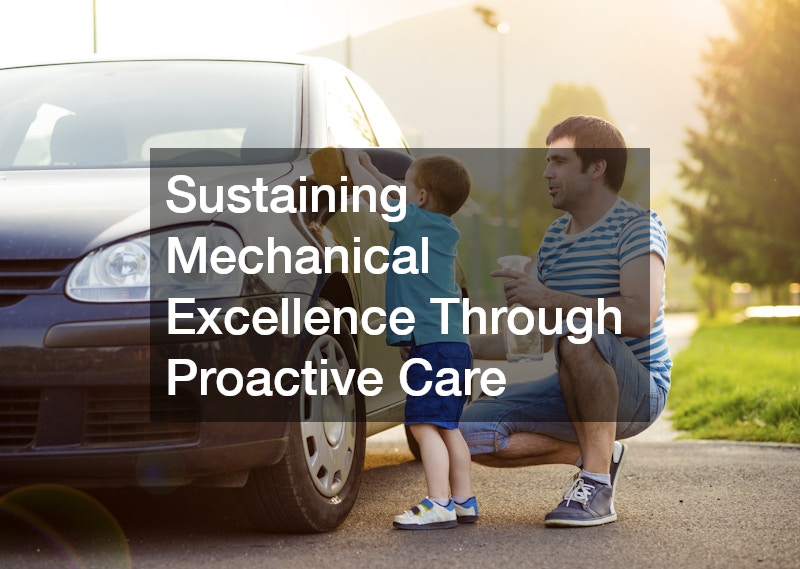
Mechanical health is the heartbeat of a vehicle’s value. While a shiny exterior might attract a buyer, a smooth-running engine is what closes the deal. The science of mechanical longevity is rooted in the prevention of friction and heat, the two primary enemies of any internal combustion or electric drivetrain. Regular fluid changes are the most basic yet most important aspect of this care. Oil, coolant, brake fluid, and transmission fluid all break down over time, losing their ability to lubricate and protect internal components. When these fluids are neglected, internal wear accelerates, leading to costly failures that can render a car nearly worthless on the secondary market.
A buyer who sees a detailed log of every oil change and belt replacement will feel much more confident in their purchase. It is not just about fixing things when they break; it is about ensuring they do not break in the first place. Consistency is the key to avoiding the heavy financial burden of a major auto repair. Small issues, such as a minor coolant leak or a worn-out spark plug, can escalate into catastrophic engine failure if they are not caught early. By staying on top of the small details, an owner ensures that the car remains as efficient and powerful as the day it was manufactured. This mechanical reliability is a major selling point in the private market.
Addressing Structural and Cosmetic Issues Immediately
Even the most careful drivers cannot always avoid the hazards of the road. Small stones, runaway shopping carts, and minor fender benders are common occurrences in the life of any daily-driven vehicle. While a small dent or a scratched bumper might seem like a cosmetic nuisance, these issues can lead to much larger problems if ignored. Exposed metal can quickly begin to rust, especially in climates where road salt is used during the winter months. Once rust starts, it can spread beneath the paint, compromising the structural integrity of the panels. Addressing these minor imperfections immediately is a critical part of value preservation.
Professional technicians use specialized tools to pull dents and match paint colors perfectly, ensuring the car looks as though the damage never happened. A seamless repair preserves the factory aesthetic and prevents a history of neglect from appearing on a vehicle history report. This attention to detail is why many owners prioritize high-quality auto body repair. Furthermore, fixing a dent while it is small is significantly cheaper than waiting for the panel to deteriorate.
The Role of Specialized Glass Films in Interior Preservation
The glass surfaces of a vehicle are often overlooked in the discussion of resale value, yet they play a major role in both safety and comfort. Windows and windshields are structural components of the car, and they also act as a filter for the sun’s energy. Constant exposure to the sun can cause the interior materials of a car, such as leather, plastic, and vinyl, to crack and fade. This not only looks unappealing but also creates a cabin environment that feels aged and worn. To prevent this, many owners install specialized films on their windows.
These films are engineered to reject a high percentage of infrared heat and nearly all ultraviolet radiation. By keeping the cabin cooler and protecting the dashboard from sun damage, these films preserve the “like-new” feeling of the interior. Furthermore, these films add a layer of privacy and security, making the vehicle more attractive to future owners. It is a subtle upgrade that makes a massive difference in the long-term preservation of the car. Engaging in professional auto glass tinting is a smart move for anyone looking to maintain a pristine interior.
Comprehensive Maintenance Schedules and Documentation
Systematic maintenance involves more than just the engine and the exterior paint. It includes the braking system, the suspension, the electrical components, and the climate control system. Each of these parts must work in harmony to provide a safe and comfortable driving experience. When one system begins to fail, it often puts extra stress on others. For example, worn-out shocks or struts can lead to uneven tire wear and increased strain on the steering rack. Similarly, a struggling air conditioning compressor can sap power from the engine and decrease fuel efficiency.
A thorough inspection by a qualified technician can identify these issues before they escalate into dangerous or expensive problems. This comprehensive approach to maintenance ensures that every aspect of the vehicle is functioning at its peak performance. Buyers are often willing to pay a premium for a car that has been cared for by professionals who provide top-tier auto repair services. Keeping a binder full of receipts and service logs provides tangible proof of this care. In the digital age, many shops also provide digital reports with photos of the inspection, which can be a powerful tool when demonstrating the car’s condition to a potential buyer or an insurance adjuster.
Advanced Surface Nanotechnology and Chemical Resilience
When discussing the chemistry of paint preservation, the conversation inevitably leads to the advancements in nanotechnology. Unlike old-fashioned carnauba wax that sits on top of the paint and melts away in the heat, modern nano-coatings integrate with the surface at a molecular level. These coatings are essentially liquid glass that hardens into a transparent shield. This shield is incredibly resistant to chemical etching from acidic substances like rain or bird droppings. The hardness of the coating also provides a slight increase in resistance against the fine scratches that occur during the washing process.
Because the coating is so durable, it does not need to be reapplied every few months. A single application can last for years with the proper maintenance. This long-term durability is a significant selling point for a used vehicle, as it promises the next owner a car that is easy to maintain and looks fantastic. The presence of a high-quality ceramic coating is a clear indicator that the previous owner valued their investment. It also ensures that the paint retains its “wet look” depth, which is very difficult to achieve with standard retail products.
Prioritizing Visibility and Glass Health for Safety
Visibility and structural safety are intertwined when it comes to the glass on a vehicle. A small chip in the windshield might seem insignificant, but the windshield provides up to 30 percent of the vehicle’s structural strength in the event of a rollover. Furthermore, modern cars often have advanced driver assistance systems, such as cameras and sensors, mounted behind the rearview mirror. These systems rely on a perfectly clear and undistorted view of the road to function correctly. If a chip is ignored, temperature fluctuations and road vibrations can cause it to spread into a large crack that spans the entire glass.
Once a crack reaches a certain size, the only option is a full replacement, which is far more expensive than a simple resin injection. By being proactive and handling these issues early, an owner can save money and keep the vehicle safe for everyone inside. Keeping up with car window repairs is a hallmark of a responsible vehicle owner. It also prevents the car from failing state safety inspections, which can be a major hurdle during a sale.
Enhancing Comfort and Privacy Through Better Windows
The comfort of the driving environment is a major factor in how much a buyer is willing to pay for a pre-owned car. In many parts of the world, the summer heat can make the interior of a vehicle almost unbearable. High temperatures can also put a significant strain on the air conditioning system, leading to premature wear of the components. Installing high-quality window films can reduce the internal temperature of a parked car by as much as 30 degrees Fahrenheit. This makes the car much more comfortable for the driver and passengers while also reducing the load on the climate control system.
These films come in various shades, from nearly clear to very dark, allowing for customization that fits the owner’s aesthetic preferences and local regulations. The technology behind these films has evolved to include ceramic and carbon particles that do not interfere with cellular or GPS signals. Choosing a reputable auto window tinting service ensures the film is applied without bubbles or peeling, maintaining the car’s professional look for many years. When a car stays cooler, the leather and plastic components are less likely to emit the chemical smells that often plague older vehicles, keeping the “new car smell” intact for as long as possible.
Navigating the Unexpected Road Hazards and Legal Recovery
Finally, the financial and legal aspects of vehicle ownership cannot be ignored. While we all hope to stay safe on the road, accidents do happen. When a car is involved in a collision, its value is often diminished, even after it has been perfectly repaired. This is known as inherent diminished value. In these situations, it is important to have professional guidance to ensure that the insurance company provides a fair settlement that reflects the true loss of the vehicle’s market value. Documentation of all the protection and maintenance work performed on the car becomes invaluable here.
It proves that the car was in exceptional condition prior to the incident, which can significantly influence the outcome of a claim. In complex cases where fault is disputed or injuries are involved, a driver may need to consult with a car accident attorney to protect their interests. Having a legal advocate can help navigate the complexities of insurance law and ensure that the owner is made whole again, both physically and financially.
The Holistic Approach to Automotive Value
Maximizing the resale value of a vehicle is a holistic process that begins the day the car is driven off the lot. It is a combination of chemistry, mechanical engineering, and diligent record-keeping. By investing in the right protective treatments, staying ahead of mechanical maintenance, and addressing small repairs before they become large problems, an owner can preserve the integrity of their car. This not only makes the vehicle more enjoyable to drive but also ensures that it remains a valuable asset when it is time to move on to something new.