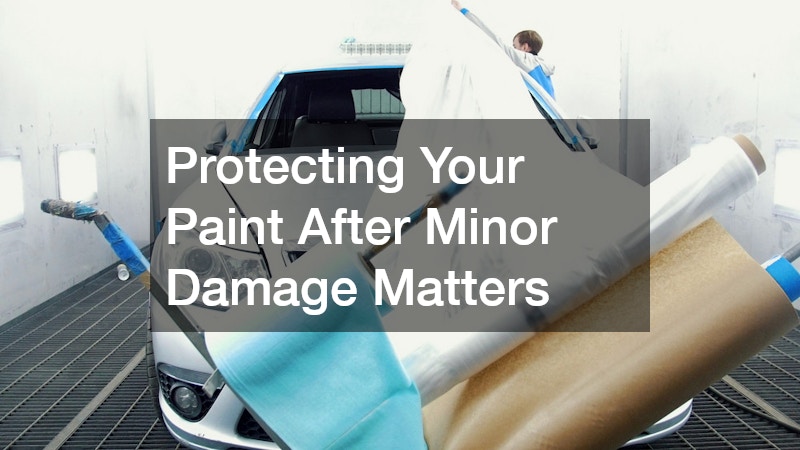
A small scratch or ding might seem like nothing to worry about, but even minor paint damage can turn into a bigger problem if it is ignored. Moisture, road salt, and UV rays can work their way into exposed metal within days, leading to rust and corrosion that spreads far beyond the original mark. Understanding why quick action matters, and what your options are, can save you time, money, and frustration down the road.
This guide walks through the practical steps homeowners and car owners can take to protect their vehicle’s finish after minor damage occurs.
Why Small Scratches Become Expensive Problems
Paint damage happens in layers, and how far a scratch cuts determines how urgent the fix really is. A scratch that only breaks the clear coat looks harmless and often is, at least for a while. But once it reaches bare metal, oxidation can begin within days, especially in humid climates or areas exposed to road salt.
Rust does not stay contained to one spot either. It spreads underneath the paint, lifting it away from the surrounding surface and creeping outward in a way that is often invisible until the paint starts bubbling or flaking. By the time you notice discoloration around the original scratch, the corrosion has usually already traveled several millimeters beyond what you can see.
The cost escalation reflects this spread. What starts as a fifty-dollar touch-up job can turn into a two-hundred-dollar sanding and repaint if caught within a few weeks. Left untreated for several months, that same spot can require cutting out rusted metal, patching the panel, and repainting a much larger area, often pushing the bill past five hundred dollars.
Timing matters as much as the size of the scratch. A deep gouge treated immediately is usually cheaper to fix than a shallow scratch ignored for a year, because rust progression depends more on exposure time than on the initial depth of the damage.
A tiny scratch might look harmless, but once it breaks through the clear coat and primer, it exposes bare metal to oxygen and moisture. That’s when rust starts forming, often within days rather than months. Left unchecked, that small spot can spread beneath the surrounding paint, lifting it away from the metal entirely.
Weather conditions accelerate this process significantly, especially in areas with harsh winters or coastal humidity. Salt from winter roads is particularly aggressive at eating through exposed metal, which is why cars in colder climates often show rust years before those in drier regions. Even brief exposure to road salt combined with moisture can kickstart corrosion in a matter of weeks on unprotected metal.
Coastal areas present a similar challenge, since salt-laden air settles on every exposed surface, including scratches too small to notice at a glance. Humidity keeps that salt active, allowing it to work into the metal continuously rather than in isolated bursts like winter road treatments.
Cost is where this really adds up. A touch-up paint pen and an afternoon of careful work might run $20-30, while a professional respray of a single panel can cost $300-900 depending on the vehicle. Once rust sets in and requires cutting out and replacing metal, repair bills can climb into the thousands.
Catching damage early and addressing it properly is almost always cheaper than waiting.
Assessing the Depth of the Damage
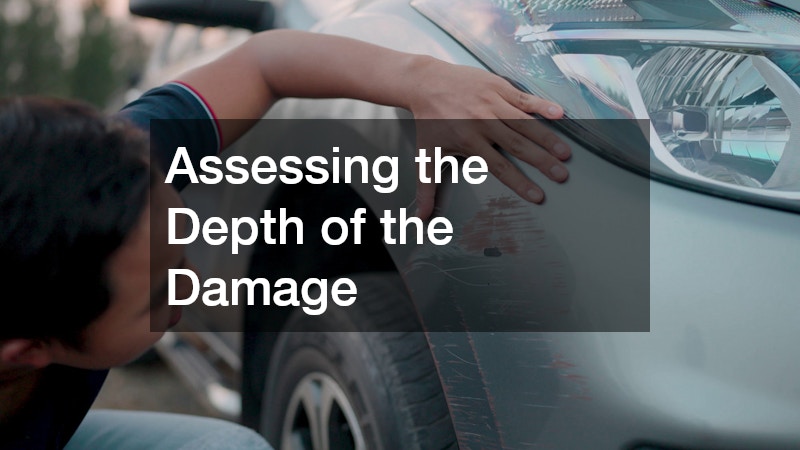
Not all paint damage is created equal, and figuring out how deep a scratch goes is the first step in deciding what to do next. A light surface scratch that only affects the clear coat will usually feel smooth to the touch and may even buff out with the right polish. Deeper scratches that reach the primer or metal layer will show a different color underneath, often gray or silver, and require more serious attention.
Running a fingernail gently over the damaged area can help you gauge its depth without causing further harm. If your nail catches on the edge of the scratch, it likely extends past the clear coat and needs professional evaluation. Photos taken in good lighting can also help a technician assess severity before you even bring the vehicle in.
- Light scratches: visible but smooth, clear coat only
- Medium scratches: rougher texture, may show primer color
- Deep scratches: metal exposed, immediate rust risk
- Cracked or peeling paint: signals a larger underlying issue
Temporary Fixes You Can Try at Home
While permanent solutions often require professional tools, there are steps homeowners can take to protect a damaged area until proper repairs happen. The goal isn’t to make the scratch disappear—it’s to seal exposed metal or primer from moisture and air before rust has a chance to form.
Touch-up paint pens matched to your vehicle’s exact color code are one of the most accessible options. You can find this code on a sticker inside the driver’s door jamb, under the hood, or in the glove box, and most auto parts stores or dealerships can mix a pen to match. Apply thin layers, letting each one dry for 20-30 minutes, and avoid overloading the scratch, which can cause uneven texture or noticeable buildup.
Clear nail polish, while not a long-term fix, has long been used as an emergency sealant for small chips when nothing else is available. It works by creating a temporary barrier over bare metal, buying you a few days or weeks until you can apply a proper touch-up product. Just be aware that nail polish can yellow slightly over time and may not blend well with darker paint colors.
For larger scratches or chips, some drivers also use clear packing tape as a short-term moisture barrier, especially before driving through rain or snow. This isn’t a cosmetic fix, but it can prevent water infiltration for a day or two in a pinch. Whatever method you choose, cleaning and drying the area thoroughly first is essential—any dirt or moisture trapped underneath will undermine even the best temporary fix.
Start by washing the damaged area gently with a pH-neutral car soap and soft microfiber cloth, using plenty of water to avoid grinding dirt into the exposed metal. Once it’s dry, applying a coat of carnauba or synthetic wax can add a temporary barrier against moisture and road salt. Some drivers also use clear touch-up nail polish or a dab of clear coat pen over small chips to seal out air and water until a proper repair can be done.
These home remedies are not meant to replace real repair work, but they buy time and reduce the chance of rust forming while you schedule a proper appointment. A chip or scratch left completely unprotected can start showing surface rust in as little as a few days in humid or salty conditions, so even a rough temporary seal is better than nothing.
Avoid using abrasive cleaners, dish soap, or automatic car washes with rough brushes on damaged spots, since they can strip away any remaining clear coat and worsen the exposure. Also skip household products like petroleum jelly or duct tape directly on paint, as they can trap moisture or leave residue that complicates the eventual repair. When in doubt, less product and gentler handling is the safer approach until a professional can assess the damage.
Choosing Among Repair Options for Your Vehicle

When damage is more than cosmetic, taking the vehicle to a qualified auto body shop is usually the safest route. Technicians can assess whether the damage is limited to the paint or if it extends into the panel itself, which changes the entire scope of the job. A reputable shop will also color-match the paint precisely, so the repair blends seamlessly rather than leaving a visible patch.
It helps to get a second opinion if the estimate seems unusually high or low compared to similar shops in your area. Ask about warranty coverage on the repair work, since many shops stand behind their paint jobs for a year or more. This due diligence protects you from repeat visits and unexpected costs later.
- Confirm the shop offers color-matching technology
- Ask about warranty length on paint and bodywork
- Request an itemized estimate before authorizing work
- Check online reviews specifically mentioning paint repair quality
When Bigger Impacts Require Structural Attention
Not every ding stays cosmetic, and sometimes what looks like simple paint damage is actually connected to a dented panel or misaligned bumper. In these cases, auto collision repair becomes necessary to restore both the appearance and the structural integrity of the vehicle. Skipping this step can leave hidden issues that affect how panels fit together or how safety systems like sensors function.
Modern vehicles often have cameras and sensors embedded in bumpers and panels, meaning even a seemingly small collision can knock these systems out of calibration. A shop specializing in auto collision repair will check these components as part of the process, not just the visible dent. This is an important distinction for anyone who assumes a minor fender bender only needs cosmetic attention.
What Happens During a Professional Repair Visit

Walking into an auto collision shop for the first time can feel overwhelming if you do not know what to expect. Typically, a technician will inspect the vehicle, take photos, and provide a written estimate before any work begins. This estimate should break down labor, parts, and paint costs so you understand exactly what you are paying for.
Turnaround time varies depending on the extent of the damage, ranging from a single day for minor touch-ups to a week or more for significant panel work. Many shops offer loaner vehicles or shuttle services during this period, which is worth asking about upfront. Clear communication about timelines helps avoid frustration if parts need to be special ordered.
- Initial inspection and digital damage assessment
- Written estimate covering labor, parts, and materials
- Scheduling based on parts availability
- Final quality check before vehicle pickup
Preventive Coatings That Reduce Future Damage
Once repairs are complete, many owners look for ways to prevent the same damage from happening again. Paint protection film has become a popular choice because it creates a durable, nearly invisible barrier against rock chips, road debris, and minor scrapes. This film is typically applied to high-impact areas like the front bumper, hood, and mirrors where damage is most common.
The technology behind PPF film has improved significantly in recent years, with self-healing properties that allow minor scratches on the film itself to disappear with heat exposure. This means the film absorbs the impact instead of your factory paint, saving you from repeated touch-up work. While there is an upfront cost, many owners find it pays for itself by avoiding multiple small repairs over the years.
Alternative Coverage With Custom Wraps
For owners who want both protection and a style update, vinyl wraps offer a middle ground worth considering. Beyond changing the color or finish of a vehicle, a quality wrap adds a layer of coverage over the factory paint that can help shield against light scuffs and sun fading. This makes it an appealing option for anyone who wants to refresh their car’s look while also adding a bit of practical protection.
It is worth noting that wraps are not as impact-resistant as dedicated film products, so they serve a different purpose. Owners typically choose this route when appearance is a priority alongside modest protection benefits. A professional installer can advise on which panels benefit most from this treatment based on how the vehicle is driven and stored.
Finding a Shop You Can Trust Long-Term

Building a relationship with a reliable car repair shop makes future repairs less stressful, whether it is routine maintenance or unexpected damage. Look for a facility that offers a full range of services, from minor cosmetic fixes to more involved auto body repair in cases of accidents or weather-related damage. A shop that communicates clearly and stands behind its work is worth returning to even if it is not the cheapest option nearby.
Word of mouth remains one of the best ways to find a trustworthy provider, so ask neighbors, coworkers, or local community groups for recommendations. Checking certifications and manufacturer partnerships can also indicate a shop’s level of expertise with specific vehicle brands. Comparing a few auto body shops in your area before committing can also reveal differences in pricing, warranty terms, and customer service that aren’t obvious at first glance. Taking the time to vet a provider now saves headaches the next time damage occurs.
- Ask for references from recent customers
- Verify certifications with major manufacturers
- Confirm they handle both cosmetic and structural repairs
- Look for transparent pricing and written estimates
Protecting your vehicle’s paint after minor damage is not about vanity; it is about preventing small issues from becoming expensive structural problems. Whether you choose a quick touch-up, invest in protective film, or schedule a full inspection, acting sooner rather than later always pays off. Take time to research local options, ask the right questions, and choose a provider who explains the process clearly. Your next step is simple: assess the damage honestly and get a professional opinion before it has a chance to spread.