There is an undeniable magic in looking at a weathered, forgotten vehicle and seeing nothing but potential. Across the country, thousands of car enthusiasts spend their weekends scouring online auctions and local backlots in search of a project. The dream of taking something broken down and restoring it to its former glory is a powerful motivator. It is not just about saving money on a ride; it is about the journey of transformation. Watching a vehicle transition from a dusty, neglected machine into a sparkling piece of engineering brings an immense sense of personal satisfaction.
For many builders, the journey starts with an affordable, reliable platform that has a deep catalog of available components. This is why so many restoration projects revolve around classic domestic brands or highly popular commuter models. Searching through local listings often reveals a steady supply of affordable options, particularly when looking for older models or high-mileage options like used chevy cars. These platforms provide an excellent starting point because they are mechanically straightforward, widely understood by enthusiasts, and highly responsive to aesthetic upgrades. Whether the goal is to build a reliable daily commuter or a weekend cruiser, selecting a vehicle with a solid reputation makes the upcoming labor much more manageable.
Restoring a vehicle requires patience, strategy, and a willingness to learn new skills along the way. The process forces a builder to become part mechanic, part artist, and part project manager. Every vehicle tells a story through its wear and tear, its faded paint, and its mechanical quirks. The restorer’s job is to rewrite that story, stripping away years of neglect and replacing it with careful craftsmanship. It is a step-by-step endeavor that cannot be rushed, demanding a methodical approach from the very first inspection to the final polish.
Finding and Assessing the Right Project Vehicle
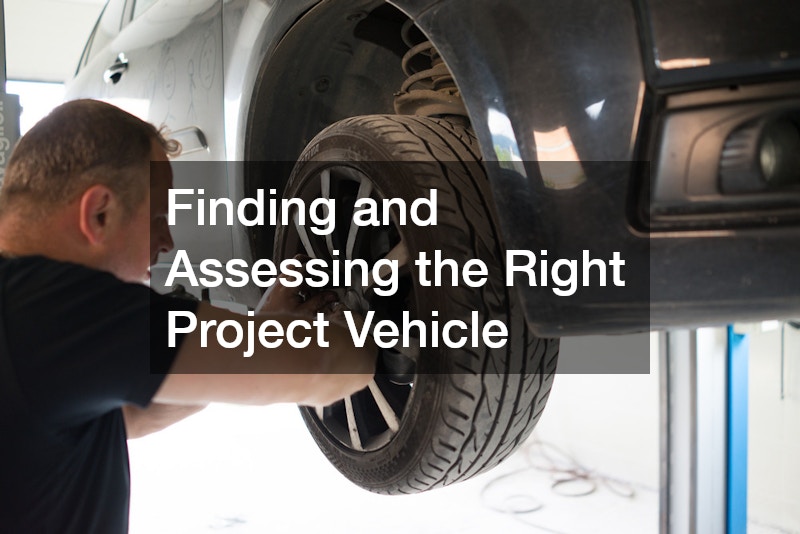
Before turning a single wrench, a successful project requires a thorough and honest evaluation of the vehicle’s current state. Not all salvage vehicles are created equal, and a buyer must learn to distinguish between cosmetic flaws and fatal structural issues. A vehicle that looks rough on the outside might have a pristine frame and a healthy engine block. Conversely, a shiny exterior can easily mask severe underlying damage that will drain a bank account and stall a project indefinitely. Experienced builders always recommend bringing a flashlight, a magnet to check for hidden body filler, and a diagnostic scanner to every inspection.
The primary concern during any pre-purchase inspection should always be structural integrity. If a vehicle has been involved in a major accident, it may have hidden structural damage that requires specialized frame-straightening equipment. It is important to look closely at the gaps between body panels; uneven lines often indicate that the underlying structure has shifted. Checking the vehicle’s history report can reveal whether it has ever been written off by an insurance company or subjected to substantial collision repair. If the frame is bent or cracked, the cost of making the vehicle safe again will often outweigh its ultimate market value, making it a poor choice for a profitable restoration project.
Mechanics First: Getting Under the Hood
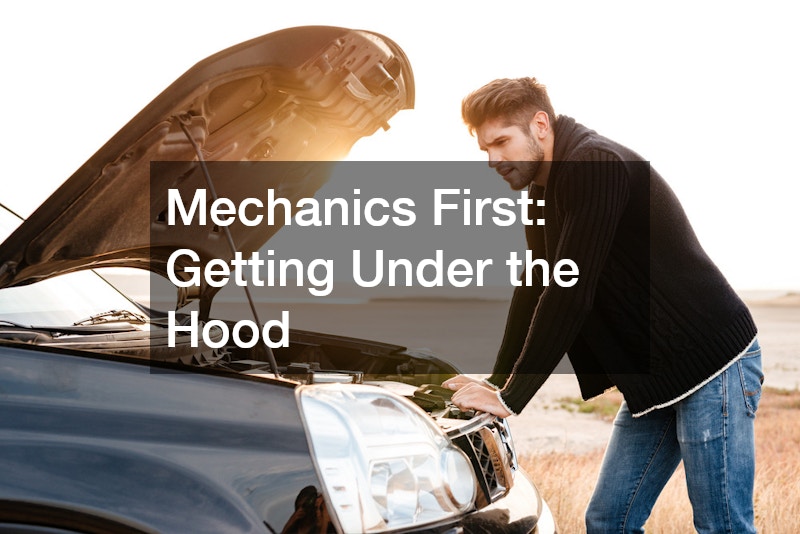
While a gorgeous paint job is what catches people’s attention, a restoration is only as good as the machine’s mechanical reliability. A vehicle that stalls at every intersection or leaks fluid across the driveway will never truly feel showroom ready. The initial phase of mechanical restoration involves stripping away old, worn-out components and addressing any underlying engine or transmission issues. This means draining old fluids, replacing brittle hoses, installing fresh spark plugs, and ensuring the fuel system is completely clean and pressurized.
Every successful overhaul relies on a systematic approach to diagnostics and execution. Working through the engine bay requires checking the compression of each cylinder, inspecting the cooling system for hidden blockages, and evaluating the electrical charging system. Simple tasks like replacing an old alternator, fixing a failing water pump, or installing a fresh battery can instantly breathe new life into an engine that has sat idle for years. This phase of auto repair sets the baseline for the entire project, ensuring that the vehicle operates safely and efficiently before any money is spent on visual upgrades.
As the mechanical checklist grows, sourcing replacement components becomes a primary focus for the builder. Buying brand-new factory components for an older vehicle can quickly become cost-prohibitive, threatening to push the project way over budget. Fortunately, the automotive aftermarket and recycling networks offer highly effective alternatives for budget-conscious restorers. Finding a high-quality used auto part from a reputable salvage yard or specialized distributor can save hundreds of dollars without compromising on performance or durability. Items like intake manifolds, power steering pumps, and interior trim pieces are perfect candidates for recycled sourcing, allowing the builder to allocate more funds toward critical safety features and aesthetic finishing touches.
Establishing a Safe and Solid Foundation
With the engine running smoothly, the focus must shift to how the vehicle handles the road. A pristine engine bay matters very little if the suspension is shot, the brakes are spongy, and the steering feels disconnected. Restoring the chassis involves inspecting the control arms, replacing worn rubber bushings, installing fresh shocks or struts, and completely renewing the braking system. New rotors, pads, and calipers ensure the vehicle can stop safely on a dime, providing the driver with confidence behind the wheel. Upgrading these hidden components transforms the entire driving dynamic, making an old car feel tight, responsive, and modern.
The ultimate connection between the restored vehicle and the pavement rests entirely on the condition of the wheels and rubber. Sitting idle for long periods can cause flat spots, dry rot, and microscopic cracks in old tires, making them dangerous to use at highway speeds. A critical step in any comprehensive restoration involves visiting professional tire dealers to select the perfect set of rubber for the vehicle’s specific application. Whether the project calls for high-performance summer rubber, rugged all-terrain treads, or comfortable all-season touring options, investing in fresh rubber is a non-negotiable safety requirement. The technicians will also perform a precise wheel alignment, ensuring even tread wear and preventing the vehicle from pulling to one side.
A solid foundation also protects the work that has been put into the engine and chassis. When a car has a properly aligned suspension and balanced wheels, it experiences far less vibrational stress, which extends the lifespan of every mechanical component. This stage of the build is also the perfect time to inspect the wheel bearings and axle shafts for any signs of clicking or grinding. By addressing these foundational elements early on, the builder guarantees that the vehicle will not only look magnificent when it is finished but will also deliver a smooth, quiet, and exceptionally safe ride for thousands of miles to come.
Bodywork Essentials: Fixing Structural and Cosmetic Damage
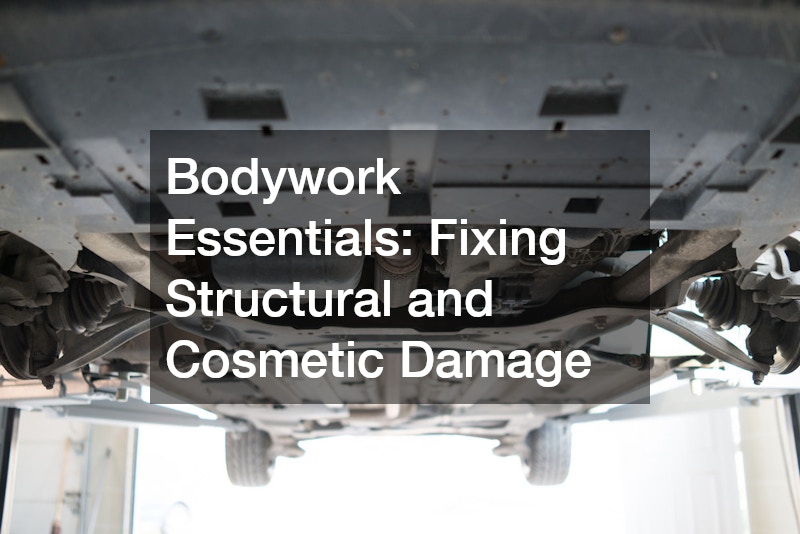
After securing the mechanical and foundational health of the vehicle, it is time to address the exterior shell. Years of exposure to the elements, road debris, and careless parking lot encounters leave behind a trail of battle scars. Fixing these imperfections requires a blend of patience, specialized tools, and a steady hand. The bodywork phase often begins with a thorough wash and decontamination to reveal the true extent of the surface damage. Builders must look for hidden rust bubbles beneath the paint, deep scratches that penetrate the primer, and misshapen metal panels that disrupt the vehicle’s original lines.
Dealing with deep dents and compromised metal usually requires traditional auto body repair methods. This process involves pulling out deep metal depressions, grinding away corroded areas, and applying high-quality body fillers to recreate a perfectly smooth surface contour. Sanding is a critical, labor-intensive step here, requiring progressively finer grits of sandpaper to ensure that the repaired area blends seamlessly with the surrounding metal panels. Skimping on the sanding phase will inevitably show through the final finish, ruining the illusion of a factory-fresh exterior. It is an art form that rewards meticulous attention to detail and refuses to be rushed.
While minor surface preparation can often be handled in a home garage, major panel replacements and advanced structural corrections demand a higher level of expertise. When the damage covers entire quarter panels or involves extensive welding, amateur builders often choose to collaborate with professional auto body garages. These specialized facilities possess the industrial-grade paint booths, frame racks, and heavy-duty welding equipment necessary to achieve a flawless, long-lasting finish. Partnering with professionals for the heaviest cosmetic lifting ensures that the vehicle’s exterior lines are perfectly straight and structurally sound, laying the perfect groundwork for the final aesthetic enhancements.
Fine-Tuning the Exterior with Modern Solutions

Not every exterior blemish requires a grinder, body filler, and a complete trip to a traditional spray booth. Modern automotive reconditioning techniques have introduced incredibly efficient methods for erasing minor imperfections without disturbing the original factory finish. For shallow dings, creases, and hail damage where the paint layer remains completely unbroken, builders can utilize paintless dent repair. This specialized technique involves using long, flexible metal rods and reflection boards to gently massage the dented metal back into its original shape from behind the panel. Because it preserves the original clear coat, it eliminates the need for color matching, speeds up the restoration process, and keeps overall costs down.
Once the metal surfaces are perfectly straight and free of blemishes, the builder faces an exciting choice regarding the final look of the vehicle. Traditional custom paint jobs can cost thousands of dollars and require weeks of meticulous masking, spraying, and curing time. As a modern and highly versatile alternative, many contemporary restorers are turning to premium car wraps to achieve a striking, showroom-ready look. High-quality vinyl films are available in an endless variety of finishes, including deep gloss, sleek matte, rugged satin, and metallic color-shifting options. These vinyl layers protect the underlying metal from minor stone chips and UV rays, giving the project a completely fresh identity in a fraction of the time required for traditional paint.
Enhancing the Cabin and the Driving Experience
A truly complete restoration project leaves no stone unturned, meaning the interior cabin requires just as much dedication as the exterior shell. Drivers spend all their time inside the car, so a worn-out, stained, or smelly interior will quickly ruin the excitement of a freshly restored machine. Transforming the cabin involves pulling out old carpets, scrubbing down the dashboard, treating leather surfaces, and replacing torn seat upholstery. Adding modern sound-deadening mats beneath the carpet can drastically reduce road noise, turning a buzzing older vehicle into a quiet, comfortable sanctuary that feels incredibly premium.
Once the cabin is clean and comfortable, upgrading the onboard technology brings the vehicle firmly into the modern era. Factory audio setups from a decade or two ago often sound muddy, crackle at higher volumes, and lack modern connectivity features like Bluetooth or smartphone integration. Replacing these outdated setups with high-quality sound systems completely transforms the daily driving experience. Installing a modern touchscreen head unit, crisp door speakers, a subtle subwoofer, and a dedicated amplifier provides crystal-clear audio quality. This step ensures that the vehicle’s entertainment capabilities match its fresh mechanical performance, creating an inviting environment for long road trips or daily commutes.
The Journey from Salvage to Showroom
As the final pieces of the puzzle fall into place, the true magnitude of the transformation becomes blindingly clear. The journey from a neglected, non-running salvage vehicle to an immaculate machine is paved with hours of hard work, problem-solving, and meticulous attention to detail. Every hurdle overcome during the build adds character to the machine and builds invaluable expertise for the restorer. The final step involves a rigorous quality control check, ensuring every bolt is torqued to specification, all fluids are topped off, and every electrical connection is secure. A comprehensive test drive helps verify that the vehicle performs beautifully under real-world conditions.
Standing back to admire the finished product is an unforgettable moment for any automotive builder. The deep gleam of the exterior, the crisp growl of the healthy engine, and the immaculate comfort of the updated cabin all validate the countless hours spent working in the garage. This completed vehicle is no longer just a collection of steel, rubber, and glass; it is a moving demonstration of resourcefulness and dedication. Whether the car is destined to be sold for a healthy profit, kept as a treasured weekend cruiser, or put into service as a proud daily driver, it stands ready to face the open road with a completely renewed lease on life.