Your car rarely announces its financial drain with a single dramatic moment. Instead, it whispers through small noises, minor delays, and easy-to-ignore quirks that quietly add up to hundreds or thousands of dollars over time. Learning to recognize these warning signs early can help you catch problems while they are still cheap to fix, rather than after they have spiraled into major repairs. This guide walks through the most common money-draining red flags and what to do about each one.
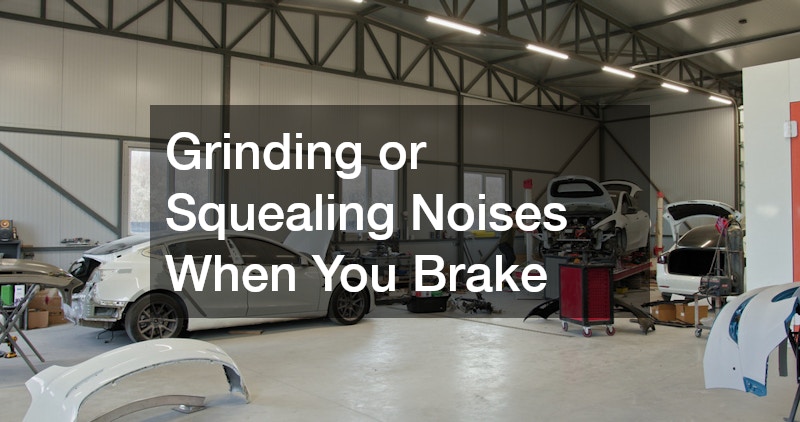
Grinding or Squealing Noises When You Brake
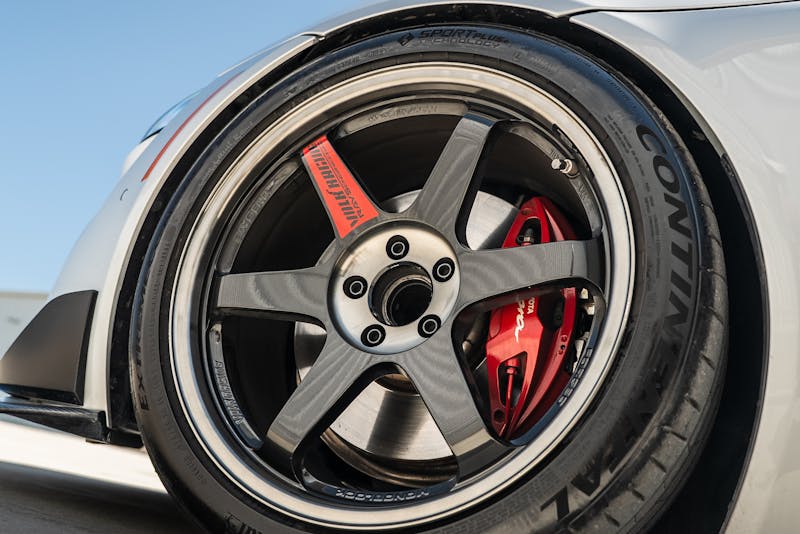
Unusual sounds coming from your wheels are one of the clearest signals that your car is about to cost you more than it should. A high-pitched squeal often means your brake pads have worn down to their wear indicators, while a grinding noise usually signals metal-on-metal contact that is damaging your rotors. Ignoring these sounds does not make the problem disappear; it simply converts a simple pad replacement into a much more expensive job.
Scheduling brake repair as soon as you notice these symptoms can save you from replacing rotors, calipers, or even entire brake lines down the road. A qualified technician can typically diagnose the issue in under an hour and give you an honest estimate before any work begins.
- Squealing noises usually indicate worn brake pads nearing replacement time
- Grinding sounds often mean rotor damage has already begun
- A soft or spongy brake pedal can signal air or fluid leaks in the system
- Vibration when braking may point to warped rotors needing resurfacing
Slipping Gears or Delayed Shifting
If your car hesitates before shifting, jerks between gears, or seems to slip out of gear entirely, your transmission is likely trying to tell you something important. These symptoms often start subtly, appearing only under specific conditions like highway acceleration or cold mornings. Left unaddressed, minor transmission issues can escalate into full failures that are far more expensive to correct.
Catching these signs early often means the difference between a fluid flush and a full transmission repair. Many drivers wait too long because the car still technically drives, but that delay usually costs significantly more once internal components wear down. Regular fluid checks and prompt attention to shifting irregularities can extend the life of your transmission by years.
- Delayed engagement when shifting from park to drive
- Unusual whining or humming noises during acceleration
- Burning smell coming from under the hood
- Fluid leaks that appear reddish or brown in color
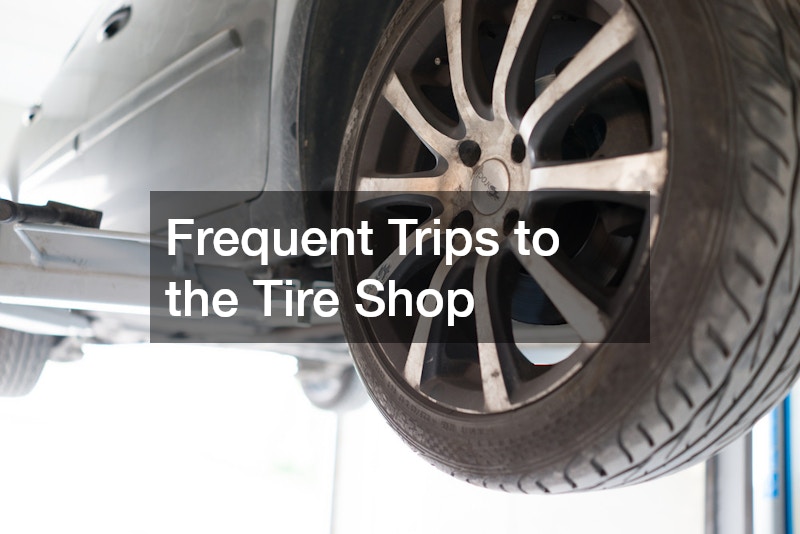
Frequent Trips to the Tire Shop
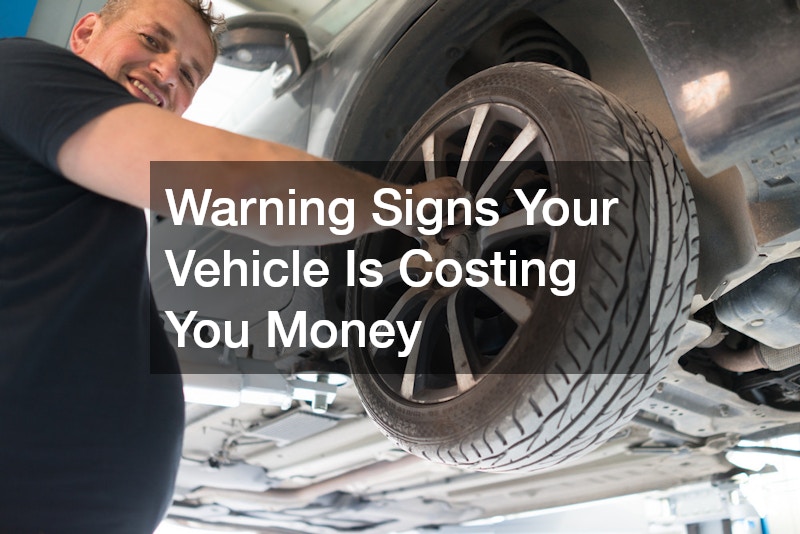
If you find yourself getting flats more often than seems normal, or noticing uneven wear patterns on your tires, something beyond bad luck is likely happening. Misaligned wheels, improper inflation, and worn suspension components can all cause tires to wear unevenly and fail prematurely. Replacing tires more often than necessary is an avoidable expense that adds up quickly over a few years of ownership.
A visit to a trusted tire shop can help identify whether the issue is alignment, suspension, or simply driving habits like hard cornering or frequent hard braking. Technicians there can also rotate your tires on a proper schedule, which extends their lifespan and improves fuel efficiency. Catching alignment issues early prevents the kind of uneven wear that forces you to replace tires years before their expected mileage.
- Cupping or scalloped wear patterns suggest suspension problems
- Wear concentrated on one edge often points to alignment issues
- Bulges or sidewall damage require immediate replacement
- Frequent low-pressure warnings may indicate a slow leak or valve issue
Small Dents and Scratches Left Untreated
It is tempting to ignore minor cosmetic damage, especially if the car still runs fine and the dent seems purely aesthetic. However, small dents and chipped paint can expose bare metal to moisture, which eventually leads to rust that spreads and weakens the body panel underneath. What starts as a fifty-dollar fix can turn into a several-hundred-dollar repair if rust takes hold.
Investing in dent repairs while damage is still minor is almost always cheaper than waiting until the panel needs full replacement. Many shops now offer paintless dent repair for smaller dings, which is faster and less expensive than traditional bodywork. Addressing these issues promptly also helps preserve your car’s resale value, since buyers and appraisers notice visible body damage immediately.
- Door dings and shopping cart dents are common candidates for paintless repair
- Chipped paint near wheel wells is especially prone to rust
- Hail damage should be assessed quickly before moisture sets in
- Untreated rust spots can compromise structural panels over time
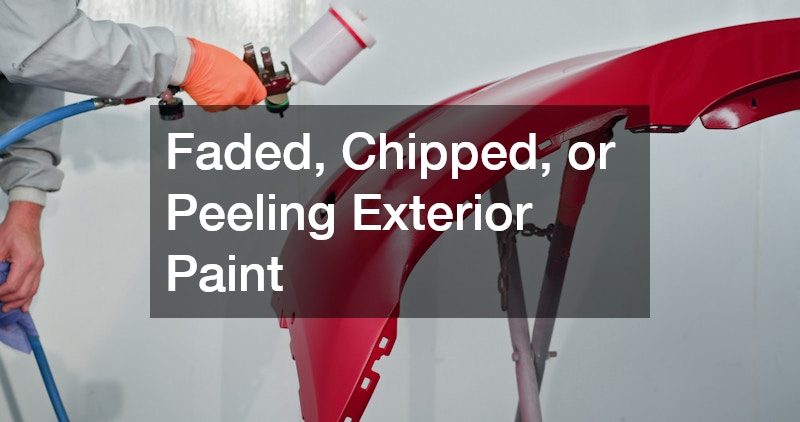
Faded, Chipped, or Peeling Exterior Paint
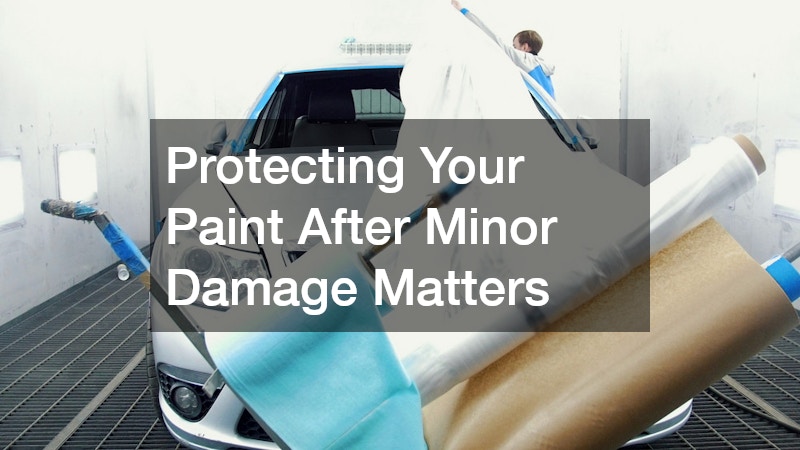
Your car’s paint is not just about looks; it is a protective barrier against the elements, road debris, and UV exposure. Once paint begins to fade or chip, the underlying metal becomes vulnerable to corrosion, which can quietly eat away at your vehicle’s structure and value. This is especially common on hoods, bumpers, and mirrors, which take the brunt of highway debris and sun exposure.
Many owners now apply auto paint protection film to high-impact areas as a preventive measure rather than a reactive one. This clear film absorbs rock chips, minor abrasions, and UV damage before they ever reach the paint, reducing the likelihood of costly touch-up work later. While it requires an upfront investment, it often costs far less than repainting a damaged panel a few years down the line.
- Front bumpers and hoods are the most common areas for chip damage
- UV exposure accelerates fading on dark-colored vehicles
- Peeling clear coat is a sign the paint layer is failing
- Protective film can be applied to just high-risk zones or the entire vehicle
Unexpected Breakdowns Requiring a Tow
If your vehicle has needed to be towed more than once in the past year, that pattern itself is a warning sign worth paying attention to. Repeated breakdowns often point to a deeper mechanical issue that a quick roadside fix cannot solve, whether it is a failing battery, worn belts, or a cooling system problem. Each tow also comes with its own cost, which adds up on top of whatever repair caused the breakdown in the first place.
Knowing which towing services are covered under your roadside assistance plan before you need them can save you money and stress in the moment. It is worth comparing a few local towing services in advance so you are not stuck choosing the first available option during an emergency. A pattern of breakdowns is also a strong signal that it is time for a full diagnostic check rather than another temporary patch.
- Frequent battery failures may indicate a charging system problem
- Overheating on short trips can signal a failing water pump or thermostat
- Stalling at idle often points to fuel or sensor issues
- Comparing towing costs and coverage in advance avoids surprise fees
Rising Auto Insurance Premiums
If your insurance bill keeps climbing even though your driving habits have not changed, it is worth digging into why. Insurers adjust rates based on factors like vehicle age, repair costs, claim history in your area, and even how often certain models are involved in accidents or theft. A car that is expensive to repair or prone to specific issues will often carry higher auto insurance costs regardless of how carefully you drive.
Vehicles with advanced sensors, cameras, and specialized parts, like many newer SUVs and electric models, often cost more to insure simply because a minor collision can trigger a costly repair bill. Similarly, if your car’s make and model appears frequently on insurers’ lists for theft or fraud claims, you may see a premium increase even if you have never filed a claim yourself.
Location matters too. Rising accident rates, severe weather events, or an uptick in claims in your zip code can push everyone’s premiums higher, not just yours. It is worth asking your insurer for a breakdown of what is driving the increase, since sometimes a simple adjustment, like raising your deductible or bundling policies, can help offset the higher cost.
If your premium jump seems disconnected from your actual risk profile, it may be a sign that your vehicle itself, rather than your driving record, is becoming a financial liability.
Rising auto insurance premiums often creep up quietly, especially if your vehicle is aging or your driving record has changed. It is a good habit to shop your policy every year or two rather than assuming your current rate is still competitive. Insurers frequently adjust pricing based on factors that have nothing to do with your personal driving, such as regional claim trends or company-wide rate hikes, so loyalty does not always pay off.
A few strategies can meaningfully lower your premium without reducing your coverage. Bundling home and auto policies with the same insurer typically saves 10-15%, raising your deductible from $500 to $1,000 can cut premiums by a similar margin, and asking about discounts for safety features like anti-theft systems, backup cameras, or automatic braking can add up quickly. Some insurers also offer usage-based or low-mileage programs that reward infrequent drivers with lower rates.
It is worth comparing at least three quotes when you shop, since pricing can vary significantly between carriers for identical coverage. Reviewing your policy annually ensures you are not quietly overpaying simply out of inertia, especially as your car depreciates and may no longer need certain coverage levels, like comprehensive or collision, that made sense when it was new.
- Vehicle repair costs directly influence comprehensive and collision premiums — cars with expensive parts or complex sensors (common in newer models) often cost more to insure
- Claims history in your zip code can raise rates even if you weren’t involved, since insurers price by area risk, including theft and accident frequency
- Older vehicles with high repair costs relative to their value may not be worth carrying full coverage on at all
- Safety features like backup cameras, lane departure warnings, and automatic braking often qualify for discounts of 5-10%
- Raising your deductible from $500 to $1,000 can lower monthly premiums, but only makes sense if you have savings to cover the higher out-of-pocket cost
- Bundling auto insurance with home or renters policies can offset rising premiums and is worth revisiting annually
- Shopping around every 1-2 years helps confirm you’re not overpaying as your vehicle ages and its risk profile changes
Damage After a Collision That Goes Unaddressed
Even a minor fender bender can cause damage that is not immediately visible, such as misaligned frames, damaged sensors, or compromised safety systems. Skipping proper collision repair after an accident, even a small one, can lead to bigger problems later, including reduced structural integrity and malfunctioning safety features like airbags or lane assist. Insurance adjusters do not always catch every issue, so it is worth getting a second opinion if something feels off after a crash.
Choosing a reputable shop for collision repair ensures that hidden damage gets identified and fixed before it becomes a safety hazard or a bigger expense. It is also important to communicate clearly with your car insurance provider about the full scope of repairs needed, since some damage only becomes apparent once panels are removed. Keeping detailed records and photos from the start helps prevent disputes over what the accident actually caused.
- Frame damage can affect handling and tire wear long after a collision
- Sensor recalibration is often necessary after bumper or windshield repairs
- Airbag systems should be inspected after any moderate impact
- Getting a second repair estimate can reveal missed damage
Aftermarket Electronics That Were Poorly Installed
A surprising number of electrical gremlins in older vehicles trace back to poorly installed aftermarket equipment, particularly stereo systems, alarms, or lighting upgrades. Faulty wiring from a rushed installation can drain your battery, trigger dashboard warning lights, or even create fire hazards in rare cases. If your electrical system has been acting strange since an upgrade, that is not a coincidence worth ignoring.
Working with experienced car stereo installers who follow proper wiring practices can prevent these issues from developing in the first place. If you already have aftermarket electronics installed and are noticing problems, it is worth having a professional inspect the wiring rather than assuming it is unrelated to your electrical issues. Correcting a bad installation now is far cheaper than replacing a battery, alternator, or fuse box damaged by chronic electrical strain.
- Dimming headlights during audio use often signals wiring problems
- Battery drain overnight can point to improperly grounded accessories
- Warning lights appearing after an installation are rarely coincidental
- Professional installation typically includes proper fuse protection
Most vehicles do not fail all at once; they send small, consistent signals long before a major expense arrives. Paying attention to noises, wear patterns, rising bills, and cosmetic damage puts you in control of your car’s costs rather than reacting after the fact. Taking action on even one or two of these warning signs today can meaningfully reduce what you spend on your vehicle this year and beyond.