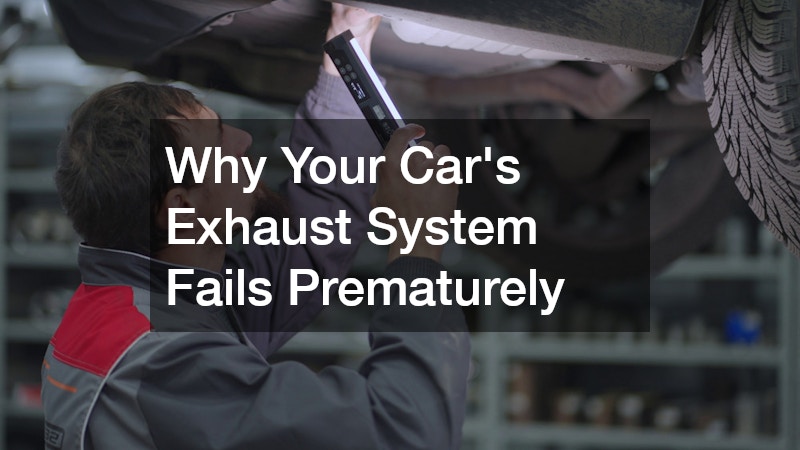
A rusted-out muffler or a rattling tailpipe rarely appears out of nowhere. Most exhaust failures build slowly through a combination of moisture, road conditions, driving habits, and small mechanical issues that go unnoticed until they become expensive problems. Understanding what actually wears down this system can help you catch trouble early, avoid a failed inspection, and get more life out of every component. Whether you drive a daily commuter or rely on a larger vehicle for work, knowing the warning signs puts you back in control.
Moisture and Condensation Inside the Pipes
Every time you start your engine, the combustion process creates water vapor that travels through the exhaust system. On short trips, the system never gets hot enough to fully evaporate that moisture, so it lingers inside the pipes and muffler. Over time, this trapped condensation causes rust to form from the inside out, which is why exhaust components often look fine on the outside while quietly deteriorating internally.
Drivers who mostly take short errands around town are especially prone to this issue, since the exhaust rarely reaches optimal operating temperature. Taking your vehicle on a longer highway drive occasionally can help burn off residual moisture. If you notice a sweet or damp smell near the tailpipe after short trips, it may be an early sign that internal corrosion has already started.
Road Salt and Winter Driving Conditions
In regions that see snow and ice, road crews rely heavily on salt to keep highways safe, but that same salt accelerates rust on the underside of your vehicle. Exhaust components sit low and are constantly exposed to salt spray kicked up by tires, making them one of the first parts to corrode in colder climates. This is a major reason why vehicles in northern states often need exhaust work years earlier than similar vehicles in drier regions.
- Rinsing the undercarriage regularly during winter months helps remove built-up salt residue
- Applying a rust-inhibiting spray to exposed metal can slow corrosion
- Parking in a garage reduces prolonged exposure to salt and moisture
- Older vehicles with existing surface rust are especially vulnerable and should be inspected each fall
Physical Damage From Potholes and Road Debris
Exhaust systems hang beneath the vehicle, which puts them directly in the path of potholes, speed bumps, and road debris. A hard hit can dent a pipe, crack a weld, or knock a hanger loose, and even minor damage can throw off the alignment of the entire system. Once a dent restricts airflow or a bracket breaks, the added stress on other components speeds up wear across the whole exhaust line.
Drivers who frequently navigate rough, unpaved, or poorly maintained roads should have their undercarriage inspected more often than the average vehicle owner. This is especially true for larger vehicles, where the added weight and ground clearance issues can turn routine bumps into real structural damage. Ignoring a small dent today often leads to a much larger repair bill down the road.
Extreme Wear on Larger Commercial Vehicles

Heavy vehicles put unique demands on their exhaust systems, since they run longer hours, carry heavier loads, and generate more heat and vibration than a typical passenger car. A regional delivery truck or long-haul semi can easily rack up 100,000 miles or more per year, meaning exhaust components endure a fraction of the lifespan they would in a car driven 12,000 miles annually. That accelerated duty cycle translates directly into faster degradation of pipes, hangers, and filtration systems.
Fleet operators often find that semi truck repairs related to exhaust leaks, cracked manifolds, or failed diesel particulate filters are among the most common maintenance calls they schedule. DPFs in particular are vulnerable on trucks that spend a lot of time idling or making short urban stops, since they never reach the sustained high temperatures needed for proper regeneration. This leads to soot buildup, clogged filters, and eventually costly replacements if the problem isn’t caught early.
The constant cycle of heating and cooling during long-haul routes puts extra stress on welds and joints, making regular inspection essential. Add in the pounding from rough terrain, potholes, and constant vibration from diesel engines, and it’s easy to see why brackets loosen and seams crack well before a component’s rated lifespan. Fleet managers who build exhaust checks into routine service intervals—rather than waiting for a warning light or an audible leak—tend to avoid the more expensive emergency repairs and unplanned downtime that plague reactive maintenance schedules.
Commercial trucks and buses put far more stress on an exhaust system than the average passenger car ever will. Constant highway mileage, heavier loads, and extended idling time all generate higher operating temperatures, which accelerates corrosion in mufflers, pipes, and welded joints. Add in exposure to road salt, moisture, and vibration from rough terrain, and it’s easy to see why components on these vehicles wear out faster than manufacturers’ baseline estimates suggest.
Because these vehicles are on the road for a living, any downtime translates directly into lost income, which makes preventive care especially valuable. A single missed delivery or idle truck can cost a fleet operator hundreds of dollars in lost revenue, not counting the expense of emergency roadside repairs. Shops that specialize in heavy duty truck repair typically build exhaust inspections into routine service intervals rather than waiting for a driver to report a problem.
These inspections often include checking for cracked flex pipes, loose hangers, and early signs of rust-through around welds and clamps, since these are the areas most likely to fail first under heavy use. Diesel particulate filters and mufflers on commercial rigs also get a closer look, as soot buildup and heat cycling can cause them to fail well before other parts of the truck show wear. Catching a small leak early is far less disruptive than dealing with a total system failure during a scheduled delivery.
Loose or Corroded Hangers and Mounting Brackets
The exhaust system is held in place by a series of rubber hangers and metal brackets designed to absorb vibration and keep pipes from banging against the undercarriage. When these hangers wear out or rust through, the system starts to sag, shift, and eventually crack under its own weight. A knocking or rattling noise while driving over bumps is often the first clue that a hanger has failed.
- Rubber hangers naturally break down over time due to heat and road exposure
- A sagging exhaust can drag on the ground and suffer accelerated damage
- Loose brackets place extra stress on pipe joints and welds
- Replacing hangers early is a relatively low-cost way to prevent bigger repairs
Engine Problems That Overwork the Exhaust

The exhaust system does not operate in isolation, and issues elsewhere in the engine can quietly accelerate its failure. A rich fuel mixture, misfiring spark plugs, or a failing oxygen sensor can send unburned fuel into the exhaust system, causing excessive heat and even damaging the catalytic converter. When this happens, the pipes and downstream components bear the brunt of conditions they were never designed to handle, wearing out far sooner than their expected lifespan.
This is one of the reasons a qualified auto mechanic will often check engine performance codes before simply replacing exhaust parts, since fixing the root cause prevents the new components from failing again. Skipping this step can mean paying for the same repair twice within a short period. A proper diagnostic check saves both time and money in the long run.
Manufacturing Quality and Aftermarket Parts
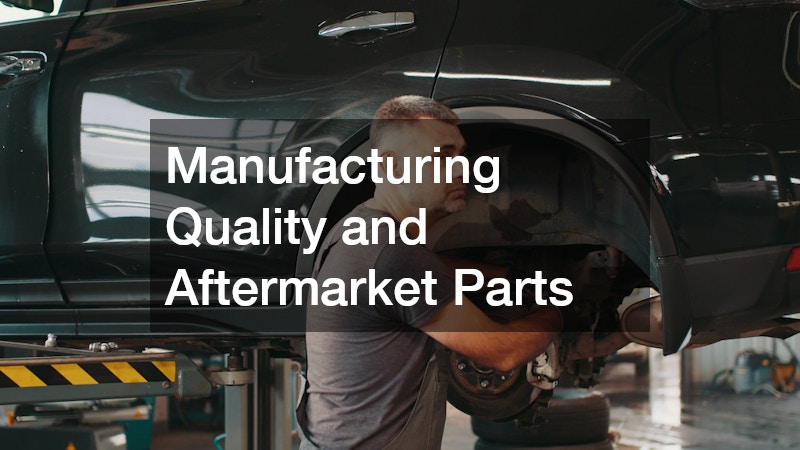
Not all replacement exhaust components are built to the same standard, and choosing a cheaper aftermarket part can sometimes shorten the lifespan of the entire system. Thinner gauge steel, lower-quality welds, and inadequate coatings all contribute to faster corrosion and cracking compared to original equipment parts. This is particularly relevant for owners of imported vehicles, where sourcing the right fit matters.
A shop experienced in foreign auto repair will typically know which aftermarket brands hold up well for specific makes and which ones tend to fail early. Investing a little more upfront in a quality muffler or pipe section often pays off through fewer repeat visits. Asking about warranty coverage on replacement parts is a simple way to gauge their expected durability.
Skipping Routine Inspections During Other Services
Many drivers only think about their exhaust system when it becomes loud or triggers a check engine light, but routine visits for unrelated work offer a convenient opportunity to catch problems early. A technician performing an oil change or checking your brakes can often spot early signs of rust, loose hangers, or minor leaks before they become serious. Bundling these checks into services you already need saves both time and money.
Tire rotations and seasonal maintenance visits are also a good time to ask about the overall condition of your undercarriage, since exhaust components are easy to overlook during a quick walk-around. Making this a habit, rather than an afterthought, extends the life of the entire system. A five-minute inspection during a routine visit can prevent a costly breakdown later.
Unrelated Vehicle Issues That Get Mistaken for Exhaust Trouble

Not every strange noise or performance issue under your vehicle points to a failing exhaust system, and it helps to know the difference before assuming the worst. A rattling heat shield can sound remarkably similar to a loose transmission bracket, and a whining noise at idle might come from a failing power steering pump rather than an exhaust leak. Taking a moment to pinpoint the actual source can save you an unnecessary trip to the muffler shop.
Some situations have nothing to do with the exhaust at all, even though they happen at the same inconvenient moment. A locked-out vehicle, a broken key fob, or a stalled ignition system can strand you on the roadside and make you assume something major has gone wrong mechanically. In reality, these are electrical or access issues that a mechanic can’t fix any faster than a specialist trained for exactly that problem.
In these situations, calling an automotive locksmith is the right move rather than assuming the issue is mechanical. An automotive locksmith can cut a replacement key, reprogram a fob, or bypass a faulty ignition switch on the spot, often for a fraction of what a dealership would charge. Knowing which specialist to call — exhaust technician, locksmith, or general mechanic — saves time, money, and unnecessary stress when your car starts acting up.
Not every strange noise or performance issue under your car actually originates in the exhaust system. Rattles from a loose heat shield can sound identical to a failing catalytic converter, while a worn wheel bearing can produce a droning noise that many drivers mistake for a leaking muffler. A vibration at idle might point to a failing motor mount rather than a cracked exhaust flange, and a rotten-egg smell often signals a fuel mixture problem, not a bad converter. Bringing your car to an exhaust specialist for these issues can mean paying for diagnostics that never should have been billed to the exhaust system in the first place.
The same logic applies to problems that have nothing to do with the drivetrain at all. If you are ever stranded because a key snapped off in the ignition or a lock cylinder failed, a local auto locksmith can resolve the issue quickly without unnecessary diagnostic work on your exhaust or engine. Auto locksmiths typically carry the tools to extract broken key fragments, rekey ignition cylinders, and cut replacement keys on the spot, often for a fraction of what a dealership charges. Calling one directly, rather than towing the car to a general repair shop, can save both time and a diagnostic fee for a problem the shop was never equipped to solve.
An experienced automotive locksmith can also handle common vehicle access and ignition problems, including extracting broken key fragments, rekeying ignition cylinders, and cutting replacement keys on the spot. Calling one directly instead of taking the vehicle to a general repair shop can save time and avoid paying for diagnostic work that has nothing to do with the actual problem. This targeted approach gets you back on the road faster while ensuring the issue is handled with the right tools and expertise.
Knowing which specialist to call for which problem saves time and prevents paying for services you do not actually need. A quick mental checklist helps: strange smells and mixture issues point toward a mechanic or emissions specialist, ignition and key problems point toward a locksmith, and persistent metallic rattling or dragging noises point toward an exhaust shop. Keeping a trusted list of contacts, from mechanics to locksmiths, makes handling unexpected car trouble far less stressful and helps you avoid throwing money at the wrong auto repair.
Exhaust failure is rarely caused by a single issue, but rather a combination of moisture, road conditions, driving habits, and small mechanical problems that compound over time. Paying attention to unusual noises, smells, or vibrations gives you the best chance of catching a problem while it is still a minor and affordable fix. Scheduling regular undercarriage checks alongside your other routine maintenance is one of the simplest ways to extend the life of your exhaust system. Taking these steps now can save you from an unexpected repair bill and keep your vehicle running safely for years to come.
Staying ahead of exhaust problems starts with paying attention to small warning signs and addressing them before they become expensive repairs. Regular inspections, timely maintenance, and choosing the right specialist can help protect your vehicle’s performance and reliability. For drivers with imported vehicles, working with a trusted foreign auto repair specialist can also ensure that repairs are handled with the right knowledge of your vehicle’s specific systems and components. A little preventive care today can help avoid major repair costs and keep your vehicle running safely for years to come.