You dropped your car off expecting a straightforward number, and now the shop is calling with a figure that looks nothing like the original quote. This is one of the most frustrating parts of getting a vehicle fixed after an accident, and it catches almost every driver off guard at least once. The good news is that a changing estimate usually isn’t a sign of dishonesty, it’s a sign of how collision damage actually works. Understanding why the numbers shift can help you stay calm, ask the right questions, and avoid unnecessary delays.
Hidden Damage Found Underneath Panels and Bumpers
The first estimate you receive is almost always based on a visual inspection, which only tells part of the story. Bumpers, fenders, and trim pieces are designed to pop off or absorb impact, which means a lot of the real damage lives behind them where nobody can see it until the vehicle is partially disassembled. Technicians often discover bent brackets, cracked mounts, or damaged sensors only after removing these outer layers. This is normal in almost every collision repair case, not a red flag.
Once the teardown happens, the shop can finally see the structural and mechanical components that were hidden at first glance. Wiring harnesses, radiator supports, and crumple zones are common areas where surprises show up. These discoveries are usually what triggers the first real revision to your estimate.
- Bent or cracked structural brackets hidden behind bumper covers
- Damaged wiring harnesses or sensor connections
- Compromised radiator supports or cooling system components
- Cracked frame rails not visible from the exterior
Why Initial Estimates Are Based on Limited Information
Many people assume the first estimate is final because it came from a professional, but that number is really just an educated starting point. Estimators typically have only a few minutes with the vehicle before teardown, relying on visible damage and experience to predict what repairs will likely be needed. They cannot legally or safely disassemble the entire vehicle just to write a quote, especially if the repair hasn’t been approved yet. This means the first number is more of an informed estimate than a guarantee.
Insurance companies also play a role in this early stage, since many initial estimates are written specifically for claims documentation rather than full repair planning. These figures are meant to get the process moving, not to capture every cost down to the last bolt. Once the vehicle is approved for repair and work begins, the real picture starts to emerge.
How Parts Availability Changes the Final Cost
Even when damage is accurately identified early on, the cost of repairing it can shift based on what parts are actually available. Supply chain issues, discontinued parts, and regional shortages can force a shop to switch from original equipment manufacturer parts to aftermarket or refurbished alternatives. Sometimes the opposite happens, and a part initially expected to be reusable turns out to be unsafe to repair once it’s inspected closely. These changes can raise or occasionally lower the total cost of the job.
Shipping delays can also affect pricing indirectly, since labor schedules may need to be rearranged while waiting on backordered components. This can add storage fees or diagnostic re-checks if the vehicle sits for an extended period. Being aware of this possibility ahead of time helps set realistic expectations for both cost and timeline.
- Original manufacturer parts may be back-ordered or discontinued
- Aftermarket parts can lower cost but affect fit or warranty
- Previously “repairable” parts sometimes fail closer inspection
- Shipping delays can extend both timeline and labor costs
What Structural and Frame Inspections Can Reveal
Frame and structural inspections are one of the biggest reasons estimates grow after teardown. Modern vehicles are built with crumple zones designed to absorb impact in ways that aren’t always obvious from the outside. A seemingly minor fender bender can still transmit force deep into the frame rails, subframe, or unibody structure. Specialized measuring equipment is often needed to detect these shifts, and that equipment typically can’t be used until the vehicle is opened up.
If misalignment is found, the repair plan can change significantly, sometimes requiring frame straightening equipment or specialized welding certified for that vehicle’s construction. This is also when technicians check for safety-critical issues like airbag sensor placement and seatbelt pretensioner function. These additional steps protect your safety long after the visible dents are gone, even though they add time and cost to the process.
Questions to Ask Before Approving Updated Repair Costs
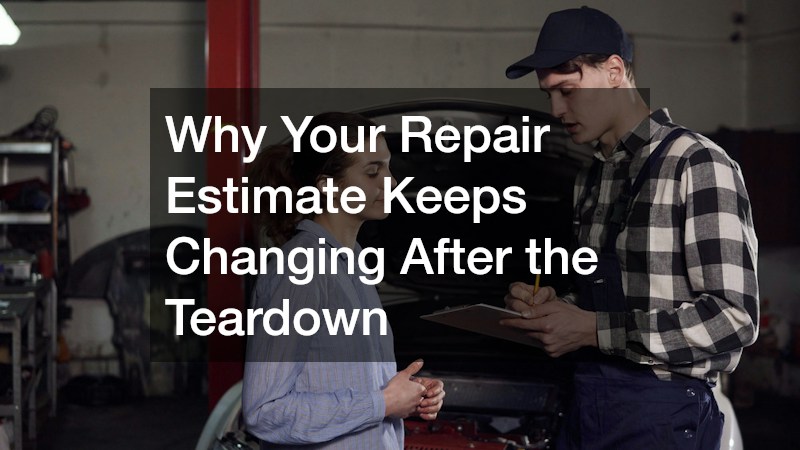
When a shop calls with a revised estimate, it helps to ask specific questions rather than simply approving or rejecting the new number. A reputable auto body shop should be willing to walk you through exactly what was found during teardown and why it changes the scope of work. Photos or videos of the newly discovered damage are common and reasonable to request. This transparency protects you as the customer and helps you make an informed decision instead of guessing.
It’s also worth asking how the change affects your insurance claim, since some supplemental damage may need separate approval from your adjuster. Understanding the timeline impact is equally important, as additional parts or labor can push back your pickup date. Taking a few extra minutes to ask these questions now can prevent confusion or disputes later.
- Ask for photos or video evidence of newly found damage
- Confirm whether the change requires separate insurance approval
- Get a written, itemized breakdown of the new costs
- Ask how the discovery affects your estimated completion date
Protecting Your Investment After the Repair Is Finished
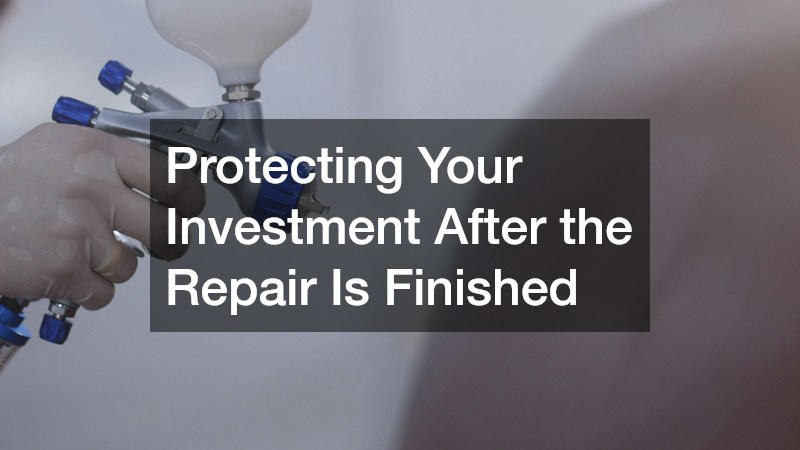
Once repairs are complete and the vehicle passes final inspection, many owners want to protect their car from future wear, especially after investing time and money into getting it fixed right. This is often when people consider additional protective services to help maintain the vehicle’s appearance and resale value. A car ceramic coating is one option many drivers explore at this stage, since it adds a protective layer that helps guard fresh paintwork against minor scratches, UV damage, and environmental contaminants. While not part of the repair itself, it’s a practical next step for owners who want to preserve the results of the work that was just completed.
A shifting repair estimate can feel alarming, but in most cases it simply reflects the reality of what’s discovered once a vehicle is properly inspected. Knowing why these changes happen, from hidden damage to parts availability to structural findings, puts you in a better position to ask informed questions and avoid unnecessary stress. Before approving any updated costs, take the time to get clear documentation and understand how the changes affect both your repair timeline and your insurance claim. Staying engaged throughout the process is the best way to ensure your vehicle is repaired safely, accurately, and fairly.