That small amber light on your dashboard rarely means “pull over immediately,” which is exactly why so many drivers learn to live with it. A flickering check engine light often signals a minor sensor issue at first, but ignoring it long enough sets off a chain reaction that turns a fifty-dollar fix into a four-thousand-dollar nightmare. Every part of your car is connected, and a small failure left unaddressed spreads to the transmission, exhaust, cooling system, and beyond.
This article walks through exactly how that domino effect happens, and what it costs at each stage.
The First Warning Sign and What It Actually Means
A check engine light is triggered by your car’s onboard diagnostic computer (OBD-II in any vehicle made after 1996), which constantly monitors sensors across the engine, transmission, and emissions systems. This computer tracks dozens of parameters in real time — oxygen levels in the exhaust, fuel-to-air ratios, engine misfires, catalytic converter efficiency, and more. When one of these readings falls outside its normal range, the computer logs a specific diagnostic trouble code and lights the dashboard icon, regardless of whether the issue is serious or minor.
That single icon covers an enormous range of possibilities. It might mean something as trivial as a loose gas cap throwing off the fuel system’s pressure reading, or it could signal a failing catalytic converter that costs over $1,500 to replace. A steady light generally points to a less urgent issue, while a flashing light usually indicates active engine misfires that can destroy a catalytic converter within minutes of continued driving.
The problem is that drivers cannot tell the difference just by looking at the light, so they assume it is nothing urgent. Without plugging in a code reader — a tool many auto parts stores will use for free — there is no way to know whether you’re dealing with a $20 fix or the first stage of a much costlier breakdown.
The check engine light is deliberately vague by design — it’s a single warning for hundreds of possible issues, from a $5 fix to a $4,000 repair. A loose gas cap and a failing oxygen sensor trigger the exact same light, which is why so many drivers develop a habit of ignoring it. That habit is dangerous because some codes point to problems that worsen every single day they go unaddressed, quietly compounding into something far more expensive.
The light itself comes in two flavors that most people never learn to distinguish. A steady light usually signals a non-emergency issue worth checking soon, while a flashing light means the engine is misfiring badly enough to risk damaging the catalytic converter within minutes of continued driving. Treating both the same way, either by panicking over a loose cap or shrugging off a flashing warning, is how small issues turn into major ones.
Getting the code read early is the only way to know which situation you’re actually in. Many auto parts stores will pull the code for free using an OBD-II scanner, and handheld versions of the same tool now cost as little as $20-$30 for anyone who wants to check codes at home. That single step, taking two minutes and often costing nothing, is the difference between catching a $5 sensor issue and discovering it only after it has taken out a $1,500 catalytic converter with it.
How a Small Sensor Failure Triggers Bigger Engine Damage
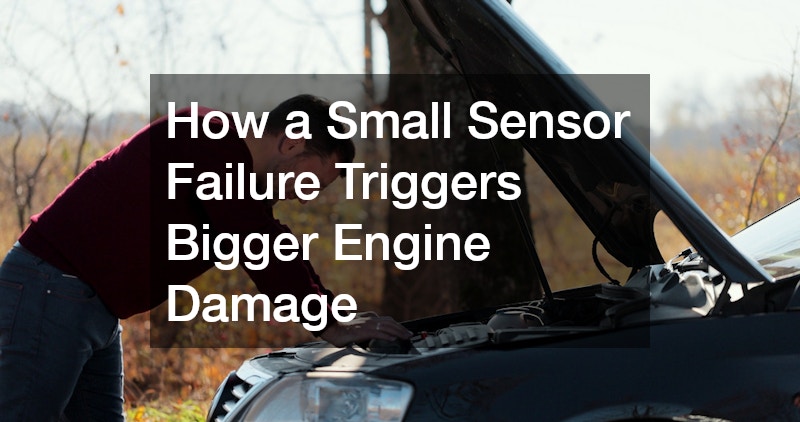
Oxygen sensors and mass airflow sensors tell the engine how much fuel to burn, and when they fail, the engine computer starts guessing. That guessing usually means running the engine too rich or too lean, which leads to poor combustion, fouled spark plugs, and excess strain on internal components. Left unresolved for months, this imbalance can damage pistons, cylinders, and catalytic converters that were never the original problem.
This is where the real financial damage begins to snowball. A sensor that costs under two hundred dollars to replace can, if ignored long enough, contribute to the kind of internal wear that eventually requires auto engine rebuilds costing thousands of dollars. The domino effect is rarely dramatic in the moment; it is a slow accumulation of small compromises that eventually force a much bigger repair bill.
Why Overheating Problems Escalate So Quickly
A check engine light paired with a temperature warning is one of the most urgent combinations a driver can see, yet it is also one of the most commonly ignored. Many drivers assume they can finish a short errand or make it home before pulling over, not realizing that engine damage can begin within just a few minutes of sustained high temperatures.
Overheating starts small, often with a failing thermostat, a leaking radiator hose, a bad water pump, or a slow coolant leak from a cracked reservoir. These issues are typically inexpensive to fix on their own, usually ranging from $150 to $500 depending on the part involved. The trouble is that these early warning signs rarely cause obvious performance problems, so drivers keep driving until the temperature gauge spikes into the red.
Once temperatures climb high enough, the engine block or cylinder head can warp or crack, and head gaskets can blow under the pressure. Aluminum engine components, which are common in modern vehicles, are especially vulnerable because they expand and lose structural integrity faster than older cast-iron designs when overheated. At that point, the coolant system may even mix with the oil supply, contaminating internal engine parts that were never designed to handle that kind of exposure.
Once that happens, the repair moves from a simple coolant system fix costing a few hundred dollars to a full engine replacement that can easily exceed $4,000 in parts and labor. What began as a routine maintenance item becomes one of the most expensive repairs a vehicle owner can face, all because a dashboard light was dismissed as a minor inconvenience.
Drivers who keep driving on a hot engine because they are “almost home” are taking the biggest gamble in this entire chain of events. Once the temperature gauge climbs into the red, every additional mile multiplies the damage, and what could have been a minor repair turns into a catastrophic failure in a matter of minutes.
Warped cylinder heads, blown head gaskets, cracked engine blocks, and seized engines are common outcomes, and none of them are cheap to fix. A warped head or blown gasket can easily run $1,500 to $2,500 in labor and parts, while a full engine replacement often lands between $4,000 and $8,000 depending on the make and model.
The mechanics behind this are simple physics. Metal engine components expand when overheated, and continued driving causes them to warp or crack under pressure they were never designed to withstand; once that happens, no amount of coolant or patience can undo it.
If your vehicle overheats on the road, calling for emergency roadside services rather than pushing forward another five miles can be the difference between a two hundred dollar tow and a several thousand dollar engine replacement. Pulling over immediately, shutting off the engine, and waiting for professional help costs you time, but it preserves the option of a cheap fix instead of a total loss.
The Transmission Damage Nobody Sees Coming
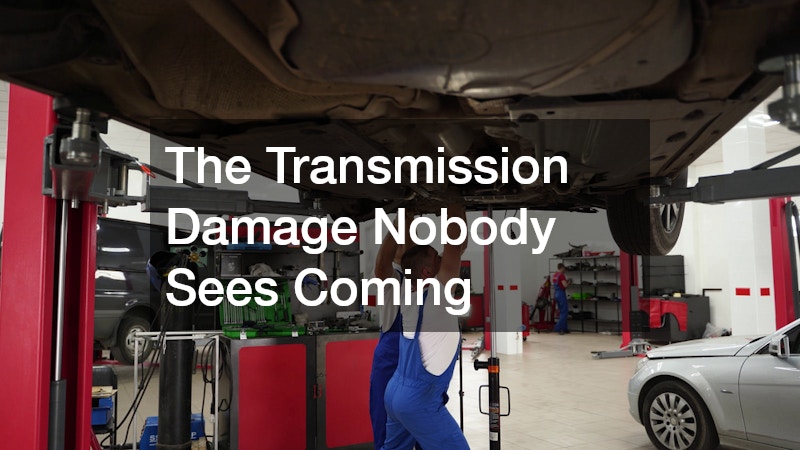
Many drivers assume the check engine light only relates to the engine itself, but modern vehicles share sensors and computer systems between the engine and transmission. A misfire or fuel delivery problem can cause the transmission to shift improperly, creating heat and friction that wears down internal components long before the driver notices anything unusual. By the time shifting becomes rough or delayed, the damage is often already extensive.
Transmission repairs are consistently among the most expensive on any vehicle, frequently rivaling or exceeding the cost of the engine work that caused them. This is a textbook example of the domino effect in action: an ignored sensor code leads to drivetrain stress, and drivetrain stress leads to a repair bill that could have been avoided entirely with an early diagnostic check.
What Happens to Your Exhaust and Emissions System
The catalytic converter is one of the most expensive single components affected by an ignored check engine light, largely because it is downstream of nearly every other engine problem. A misfire sends unburned fuel into the exhaust system, and that fuel can overheat and melt the catalytic converter’s internal honeycomb structure. Once that happens, the part must be replaced entirely, often at a cost of over a thousand dollars depending on the vehicle.
Emissions failures caused by a damaged catalytic converter can also prevent a vehicle from passing state inspection, adding registration delays on top of repair costs. Some vehicles with severely damaged exhaust systems end up being sold for parts rather than repaired, which is why so many components from these cars eventually pass through an auto salvage yard on their way to a second life in someone else’s repair project.
When Ignored Codes Lead to Total Vehicle Loss
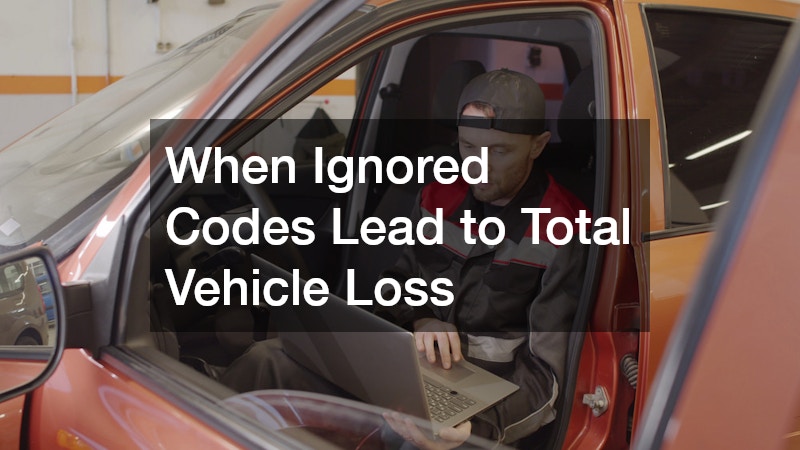
Not every ignored check engine light ends in a repair bill; some end in the loss of the vehicle entirely. When multiple systems fail in sequence, from the engine to the transmission to the exhaust, the total repair cost can exceed the car’s actual market value. At that point, most owners choose to walk away rather than sink more money into a vehicle that will never fully recover its worth.
This is also the stage where accident reconstruction and diagnostic tools come into play for owners disputing insurance claims or investigating whether a mechanical failure contributed to a breakdown or collision. Crash data retrieval systems built into modern vehicles can show whether an ignored warning light played a role in the sequence of events leading up to a failure. Understanding this data can matter significantly when working with insurers or shops to determine what went wrong and when.
How Specialty Vehicles Face the Same Warning Light Risks
It is not just daily commuter cars that suffer from ignored dashboard warnings. Powersport and recreational vehicles run similar onboard computers, and owners of these machines often make the same mistake of assuming a warning light can wait. Businesses that offer snow mobile rentals see this firsthand every winter season, when a small engine code ignored by a previous renter turns into a stalled machine miles from the trailhead.
Motorcycles carry their own version of this risk, and specialized knowledge matters more with two wheels than four. Harley mechanics frequently report that riders wait far too long after a dashboard or gauge warning appears, often because the bike still seems to run fine on short trips. By the time a rider notices real performance loss, the internal damage is frequently already comparable to what a neglected car engine would show after months of ignored warnings.
The Hidden Costs Beyond the Repair Bill Itself
A four-thousand-dollar repair estimate is rarely the full financial picture, because vehicle downtime carries its own costs. Rental cars, missed work, towing fees, and diagnostic charges all add up around the central repair, often adding several hundred dollars to the total experience. Owners who plan ahead by keeping a small emergency fund for vehicle repairs tend to handle these situations with far less financial stress than those caught completely off guard.
There are also costs that have nothing to do with mechanical parts but still stem from a vehicle spending extended time in the shop. A car with custom vehicle graphics or a recently installed car audio system sitting in a repair bay for weeks carries added risk of cosmetic damage or component tampering, which is worth discussing with the shop upfront. Asking about insurance coverage and security measures before dropping off a customized vehicle can prevent an unpleasant surprise on pickup day.
Where to Take Your Car Once the Damage Is Done
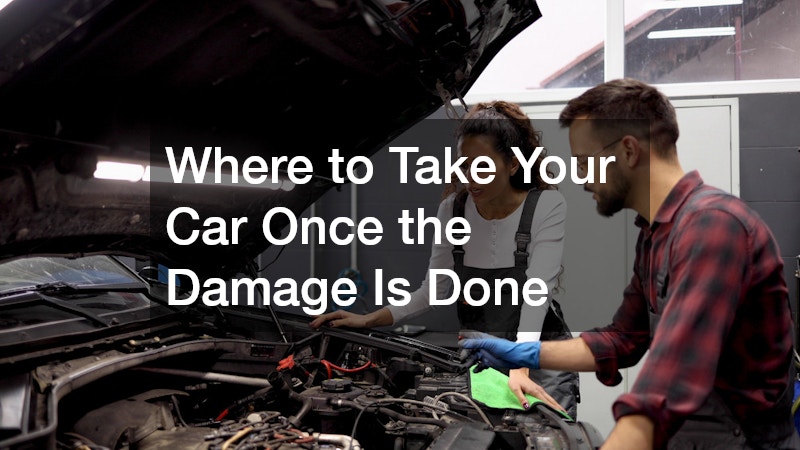
Once a check engine light has escalated into a multi-system problem, choosing the right shop matters as much as the repair itself. General repair shops handle most standard issues well, but vehicles with aftermarket modifications, aggressive tuning, or performance parts often need more specialized attention. A performance shop familiar with modified engines can spot problems that a standard diagnostic scan might misread, particularly on cars that have been altered from factory specifications.
For truck owners dealing with rust or frame damage that surfaced during a larger repair, addressing protective coatings at the same time makes sense financially. Adding a spray in bed liner during other bodywork, for example, protects exposed metal from further corrosion while the vehicle is already apart for other repairs. Bundling smaller protective work with a major repair visit is one of the more practical ways to get more value out of an unavoidable shop visit.
Conclusion
The check engine light is one of the cheapest warnings your car will ever give you, and it only becomes expensive when it is ignored. Every stage of the domino effect described here started with a driver who assumed the light could wait one more week, one more month, or one more paycheck. Getting a diagnostic scan as soon as that light appears is the single most effective way to stop small problems from becoming costly disasters. Your next step is simple: the moment that light turns on, schedule a diagnostic check before it turns into a much longer story.