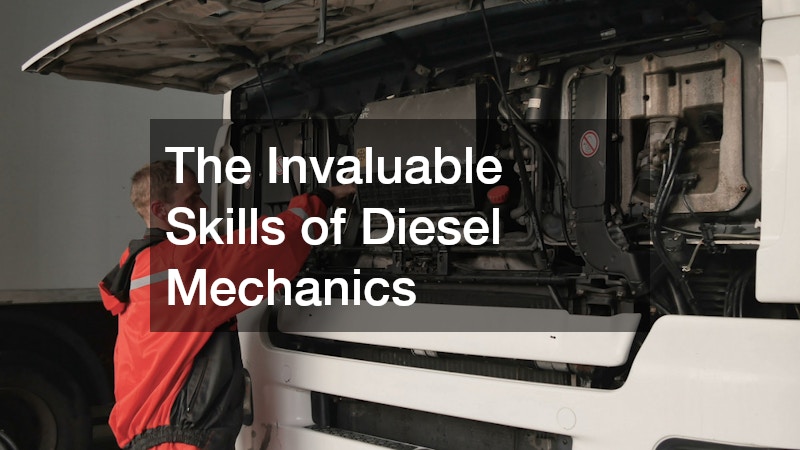
Modern vehicles are no longer one-size-fits-all machines. From turbocharged passenger cars to commercial rigs, recreational vehicles, and even watercraft, today’s transportation ecosystem is broad and highly specialized. As a result, repairs have become more nuanced, requiring deeper technical knowledge, specialized tools, and informed decision-making from owners.
Understanding how specialized repairs work and how to approach them strategically can save money, extend vehicle life, and prevent small problems from becoming major disruptions. This guide takes a deep, practical look at specialized vehicle repairs and what every owner should know before scheduling service, inspections, or long-term maintenance planning.
How to Evaluate a Shop’s Capabilities Before Authorizing Work

Not all repair facilities are created equal, and choosing the wrong one can lead to misdiagnosis, repeat visits, or unnecessary expenses. When it comes to auto repair, the first step is understanding whether a shop is truly equipped to handle your specific issue.
A capable repair shop should demonstrate more than general mechanical knowledge. Look for evidence of ongoing technician training, especially as vehicles become increasingly computerized. Modern diagnostics rely on advanced scan tools, software updates, and manufacturer-specific procedures. A shop that invests in these resources is better positioned to provide accurate assessments rather than educated guesses.
Transparency is another critical factor. Reputable shops explain findings in clear terms, provide written estimates, and outline repair priorities. They should be willing to discuss why a repair is needed now versus what can safely wait. Warranties on parts and labor also signal confidence in workmanship.
Beyond technical skill, consider operational professionalism. Clean workspaces, organized service bays, and clear communication processes often reflect how seriously a business takes its craft. Informed consumers who evaluate these factors tend to experience fewer surprises and better long-term outcomes.
What to Look for When Scheduling Safety-Critical Services
Visibility and structural integrity play a major role in overall vehicle safety, which is why services involving windows and windshields require careful attention. An auto glass replacement service is not simply about swapping one pane for another; it involves precision, calibration, and adherence to safety standards.
When scheduling this type of service, it is important to confirm that the provider uses glass that meets or exceeds original specifications. Improper materials can compromise structural strength or interfere with advanced driver assistance systems. Equally important is the installation process itself, which must account for proper adhesives and curing times.
Key considerations to review before booking include:
- Whether the service includes recalibration of cameras or sensors affected by glass removal
- If technicians are trained specifically in modern vehicle glass systems
- How long the vehicle must remain stationary after installation for adhesives to set
- What warranty is offered on materials and workmanship
Taking the time to verify these details helps ensure that safety systems function as intended and that the repair holds up over time.
Key Warning Signs That Require Specialized Engine Attention
Turbocharged engines deliver impressive performance and efficiency, but they also introduce complexity. Vehicles equipped with modern turbo systems often display subtle symptoms long before a major failure occurs. Recognizing these signs early is especially essential when dealing with eco boost engine repair.
Common indicators include inconsistent acceleration, reduced fuel efficiency, or warning lights related to airflow and pressure. These engines rely on precise coordination between sensors, fuel delivery, and forced induction components. A minor imbalance can cascade into larger mechanical stress if ignored.
Specialized repair is often necessary because standard engine service may not account for turbo-specific tolerances. Proper diagnosis requires technicians who understand how heat, pressure, and lubrication interact in these systems. Software updates and manufacturer service bulletins also play a role in resolving recurring issues.
Vehicle owners who respond promptly to early symptoms often avoid costly damage. Waiting until performance degrades significantly can turn a manageable repair into a major overhaul, emphasizing the value of specialized expertise.
Preventive Maintenance Strategies That Reduce Long-Term Ownership Costs
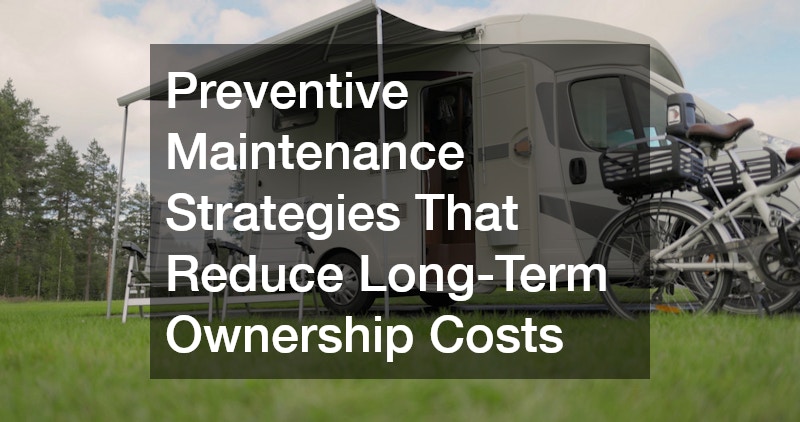
Recreational vehicles combine automotive, residential, and electrical systems into one mobile platform. This complexity makes preventive care essential. Consistent maintenance is the most effective way to minimize the frequency and severity of rv repair needs.
Routine inspections help identify wear before it affects safety or usability. Roof seals, suspension components, and fluid systems all experience stress during long trips and extended storage periods. Addressing small issues early reduces the likelihood of breakdowns far from home.
Effective preventive strategies include:
- Scheduling seasonal inspections before peak travel periods
- Monitoring tire condition, including age as well as tread depth
- Testing electrical and plumbing systems regularly
- Keeping detailed maintenance records to track recurring issues
Owners who adopt a proactive mindset tend to spend less over time and enjoy more reliable travel experiences. Preventive care also preserves resale value, which is often overlooked when budgeting for ownership.
Knowing When Dealer-Level Support Makes Financial Sense
Commercial vehicles operate under demanding conditions, where downtime directly impacts revenue and scheduling commitments. In certain scenarios, working with a semi truck dealer can deliver measurable value that justifies a higher initial service cost, particularly when speed and accuracy are critical.
Dealers typically have access to proprietary diagnostic software, factory-trained technicians, and original equipment parts that independent shops may not carry. These advantages are especially important when addressing complex electronic control systems, emissions compliance issues, or software-related faults. Faster and more precise diagnostics often translate into shorter repair timelines, reducing lost operating hours and minimizing disruption to delivery routes or contracts.
That said, dealer service is not always the most economical choice. Independent repair facilities can handle many routine maintenance tasks and mechanical repairs efficiently, often at lower labor rates.
The decision often comes down to repair complexity, warranty requirements, parts availability, and how quickly the vehicle must return to service. By evaluating these factors carefully, fleet managers and owner-operators can strike a balance between controlling costs and maintaining dependable performance.
Selecting Marine Specialists Who Understand Unique Environmental Demands
Watercraft operate in conditions that are fundamentally different from road vehicles, and those differences significantly influence how repairs should be approached. Constant exposure to moisture, saltwater, and ongoing vibration accelerates wear and places added stress on components that would otherwise last much longer on land. Because of this, selecting qualified boat repair services is critical for maintaining both performance and onboard safety.
Marine technicians must account for corrosion control, sealed and waterproof electrical systems, and propulsion components engineered specifically for aquatic environments. Cooling systems, fuel delivery, and exhaust routing all behave differently on the water. Even small oversights, such as using non-marine fasteners or improper sealants, can lead to rapid deterioration when a vessel is routinely exposed to harsh conditions.
When evaluating service providers, consider:
- Experience with your specific type of vessel and engine configuration
- Knowledge of marine-grade materials and corrosion prevention methods
- Willingness to perform water testing after repairs when applicable
- Clear maintenance recommendations tailored to seasonal use
Partnering with specialists who understand these factors helps ensure repairs perform reliably under real-world conditions, extends service intervals, and reduces the risk of costly failures during peak boating season.
Understanding Temporary Versus Permanent Structural Solutions

Certain repairs are designed to stabilize existing damage rather than fully restore a component to its original condition. In these situations, materials such as cast metal sealer are commonly used to address small cracks, surface flaws, or minor leaks that do not compromise overall structural integrity. Understanding when this type of solution is appropriate is critical to avoiding future complications.
These sealers can be effective for non-structural components or as short- to medium-term measures that extend service life and prevent further deterioration. They are often applied when replacement parts are unavailable, when downtime must be minimized, or when a component is nearing the end of its usable lifespan.
That said, these products are not substitutes for proper mechanical repair in high-stress or load-bearing areas. Misapplication or overreliance can conceal progressive damage, allowing issues to worsen beneath the surface.
Informed owners should view these materials as part of a broader repair strategy rather than a permanent fix. A professional inspection helps determine whether a temporary solution aligns with safety requirements, operating conditions, and long-term reliability goals, or if a more comprehensive repair or replacement is ultimately the smarter investment.
Preparing for Breakdowns and Recovery Scenarios
Unexpected breakdowns can be stressful, particularly when large or commercial vehicles are involved and traffic flow or job schedules are affected. Understanding how heavy duty towing works allows owners and operators to respond more calmly, make informed decisions, and reduce the likelihood of secondary damage when recovery becomes necessary.
Professional towing operators rely on specialized equipment engineered to manage significant weight, length, and height without placing additional strain on critical components. This includes reinforced tow points, hydraulic systems, and securement methods designed for stability during transport. Clear communication is equally important, as accurate details about the vehicle and its condition help operators arrive prepared and avoid delays.
Important aspects to be aware of include:
- Verifying that the towing provider has equipment rated for your vehicle
- Understanding how vehicles are secured during transport
- Knowing what information to provide when requesting service
- Planning recovery routes that accommodate height and weight restrictions
Thorough preparation reduces risk, shortens response times, and ensures recovery is handled safely, protecting both the vehicle and surrounding traffic.
Why Precision Metalwork Matters in Complex Repairs
Structural integrity often depends on the quality and accuracy of metalwork, especially in areas such as frames, exhaust systems, suspension mounts, and custom modifications. In these situations, partnering with a skilled welding company can significantly influence both the immediate success of the repair and the long-term performance of the vehicle or equipment.
Precision welding requires a deep understanding of material properties, load distribution, joint preparation, and heat management. Different metals respond differently to heat and stress, and improper technique can introduce weak points, warping, or internal fractures that are not immediately visible.
Poor workmanship may hold temporarily but often leads to premature failure, additional repairs, or safety concerns down the line. Experienced welders follow strict procedures, use appropriate filler materials, and apply controlled heat to maintain structural strength.
These services are particularly valuable when repairs go beyond simple bolt-on replacements. Reinforcing load-bearing components, repairing cracked frames, or fabricating custom parts all demand exacting standards. Professional welding not only restores functionality but also helps ensure durability, compliance, and overall operational safety.
Managing Repairs for Integrated Living and Transport Systems

Some assets blur the line between vehicle and residence, which makes repairs more complex and requires a highly coordinated service approach. Mobile home services often span mechanical, structural, and utility-related work, making careful planning essential to avoid delays, redundant labor, or incomplete repairs.
These projects may involve chassis components, leveling systems, electrical hookups, plumbing connections, and interior infrastructure that must all function together. Addressing one system without considering the others can create inefficiencies or even safety concerns. Coordinating repairs across disciplines minimizes downtime, reduces the risk of rework, and helps ensure that improvements made in one area do not interfere with another.
Effective coordination strategies include:
- Scheduling inspections that cover both mobility and living systems
- Working with providers experienced in multi-discipline repairs
- Confirming compliance with local regulations and safety standards
- Establishing a clear timeline for phased repairs
An organized, systems-based approach ensures all components operate together as intended, enhancing long-term comfort, safety, and overall service life.
Specialized vehicle repairs reflect the growing diversity and technical sophistication of modern transportation. From advanced powertrains to recreational, marine, and commercial platforms, each category introduces its own set of requirements, risks, and decision points. Owners who invest time in understanding how repairs are performed, what level of expertise is required, and how different service providers operate are better positioned to avoid unnecessary expenses and prolonged downtime.
A proactive mindset makes a measurable difference. Routine inspections, informed service choices, and early intervention help prevent minor issues from escalating into major failures. Equally important is recognizing when specialized support is warranted and when standard service is sufficient. By approaching maintenance and repairs strategically rather than reactively, owners gain greater control over costs, improve reliability, and extend the usable life of their vehicles and equipment with confidence and clarity.