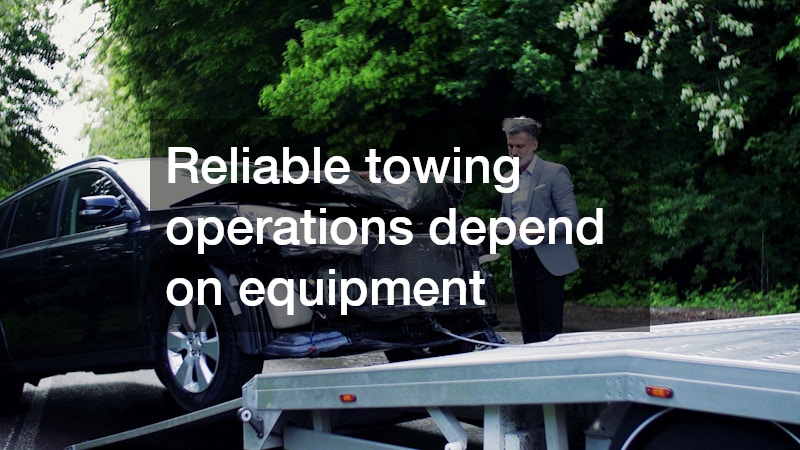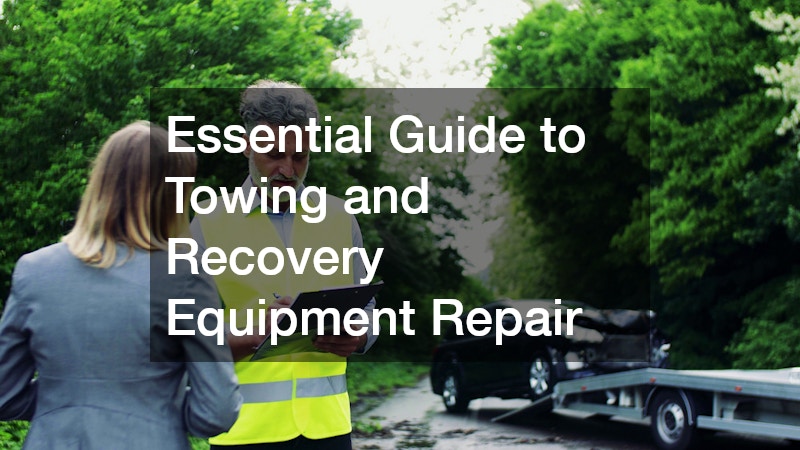
Towing and recovery operations depend on specialized equipment that must perform reliably under pressure. From winches and hydraulics to booms and underlifts, every component plays a role in keeping vehicles moving safely off the road. When equipment fails, downtime can be costly and dangerous. Learning how to maintain and service these systems helps operators extend equipment life, reduce unexpected breakdowns, and protect their investment. Towing and recovery equipment repair doesn’t have to be a headache if you understand the basics.
Why Proper Maintenance Matters
Towing equipment works in demanding environments. Heavy loads, rough terrain, and frequent use put constant stress on mechanical systems. Without routine care, small issues can turn into major failures. Regular inspections and timely repairs help ensure safe operation, reduce liability risks, and improve overall efficiency.
Well-maintained equipment also supports compliance with safety regulations. Inspectors often check hydraulic systems, chains, cables, and braking components. Addressing wear early keeps vehicles compliant and helps avoid fines or service interruptions.
Common Equipment Issues to Watch For
Knowing the most common problems allows operators to respond quickly and prevent further damage. Some issues appear gradually, while others can occur suddenly during operation.
Typical problem areas include:
- Hydraulic leaks caused by worn seals or damaged hoses
- Electrical failures affecting lights, controls, or winches
- Cable and chain wear from repeated heavy loads
- Structural damage to booms or frames due to overload or impact
- Brake system wear from frequent stopping under heavy weight
Early detection is critical. Unusual noises, slow hydraulic response, or visible fluid leaks should never be ignored.
Preventive Care Best Practices
Preventive maintenance is one of the most effective ways to reduce repair costs. Establishing a regular service schedule helps identify issues before they interrupt operations.
Key preventive steps include:
- Inspecting hydraulic lines and fittings for leaks or cracks
- Lubricating moving parts to reduce friction and wear
- Testing winches and controls for smooth operation
- Checking fasteners, welds, and mounting points for stability
- Replacing worn cables and chains before they fail
Keeping detailed maintenance records also helps track patterns and anticipate future needs. These records can be valuable during inspections or when planning equipment upgrades.
When to Handle Repairs In-House
Some maintenance tasks can be handled by trained staff, especially routine inspections and minor adjustments. Replacing filters, tightening fittings, or lubricating components are often manageable with the right tools and training.
However, operators should recognize their limits. Attempting complex repairs without proper expertise can create safety hazards and void warranties. Knowing when to seek professional assistance is essential for protecting both equipment and personnel.
Choosing Professional Repair Services
For complex mechanical or hydraulic issues, working with experienced technicians is critical. Professional service providers have specialized tools, diagnostic equipment, and industry knowledge to handle advanced repairs safely.
A reliable provider of towing and recovery equipment repair should understand the demands of heavy-duty towing and be familiar with various equipment brands. Look for service teams that offer clear communication, detailed assessments, and realistic timelines. Fast turnaround is important, but quality workmanship should always be the top priority.
The Role of Training and Operator Awareness
Equipment longevity is closely tied to how it is used. Proper operator training reduces misuse and helps prevent avoidable damage. Drivers and operators should understand load limits, correct hookup procedures, and safe winching techniques.
Ongoing training encourages awareness of early warning signs. When operators know what to look for, they are more likely to report small issues before they escalate. This proactive approach saves time and money while promoting safer working conditions.
Managing Downtime and Repair Costs
Downtime affects revenue and customer trust. Planning can minimize disruptions when repairs are necessary. Some companies maintain backup equipment or schedule maintenance during slower periods to keep operations running smoothly.
Budgeting for repairs is also important. Setting aside funds for maintenance and unexpected issues helps avoid financial strain. Over time, consistent investment in care often costs less than replacing damaged equipment prematurely.
Long-Term Benefits of Quality Repairs
Investing in quality repairs offers long-term advantages. Properly serviced equipment lasts longer, performs better, and maintains higher resale value. It also reduces the risk of accidents caused by mechanical failure.
By prioritizing professional service and preventive care, operators create a safer and more reliable fleet. Over time, this approach strengthens reputation and builds trust with customers who rely on timely, dependable towing services.
Reliable towing operations depend on equipment that is well-maintained and properly repaired. From routine inspections to professional service support, every step contributes to safer and more efficient performance. Understanding common issues, investing in training, and planning for maintenance help operators avoid costly breakdowns.
When handled correctly, towing and recovery equipment repair becomes part of a long-term strategy rather than a reactive expense. With the right approach, fleet owners can protect their equipment, reduce downtime, and ensure their operations remain dependable in even the most demanding situations.