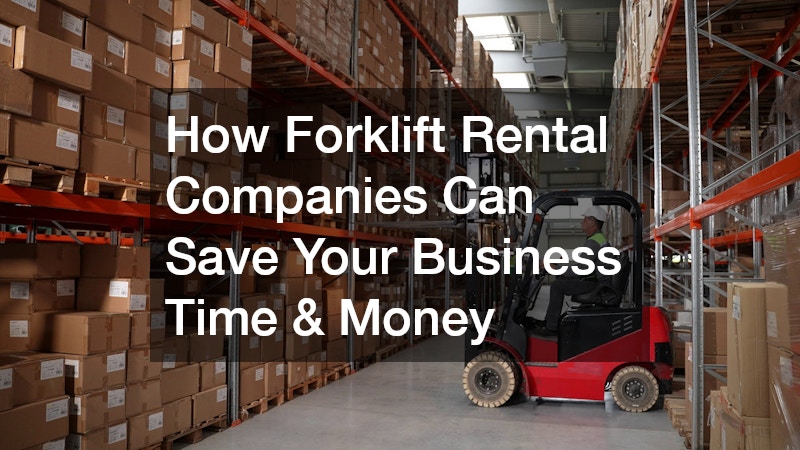
In today’s competitive market, businesses are under pressure to reduce costs while improving efficiency. Forklift rental companies offer a practical solution by providing access to modern, well-maintained equipment without the financial burden of ownership. Flexible rental terms allow businesses to adapt quickly to changing operational demands while maintaining productivity. Renting forklifts also eliminates the risks associated with depreciation and obsolescence. Instead of tying up capital in high-cost equipment, businesses can preserve cash for growth initiatives and maintain a leaner balance sheet.
Additionally, rental agreements convert large capital expenses into predictable operational costs, improving budgeting accuracy and cash flow stability—an important advantage for small and mid-sized businesses.
What are the primary cost savings from renting instead of buying forklifts?
Renting forklifts can significantly reduce the upfront costs associated with procurement. Purchasing forklifts requires a significant initial investment, whereas renting merely requires monthly or periodic payments. This shift from capital expenditure (CapEx) to operational expenditure (OpEx) can free up resources that businesses can redirect towards revenue-generating activities. Moreover, rental agreements often include maintenance and repair, which translates into additional savings on upkeep and labor costs typically borne by the business owner.
Rental companies manage a fleet that is kept up-to-date with the latest technological advancements. This advantage means that when businesses rent forklifts, they gain access to equipment that is more efficient and in compliance with the latest regulations without having to purchase new models as technologies evolve. This access to state-of-the-art technology can enhance productivity, reduce operational costs, and increase uptime versus relying on older equipment. Additionally, it circumvents the eventual resale or disposal issues associated with ownership and leftover obsolescence inventory.
Renting eliminates hidden costs associated with equipment ownership. Owning forklifts involves expenses such as storage, insurance, and taxes, as well as potential costs for licensing and training. By renting, these costs are typically included in the rental agreement, simplifying expense management. Rental options shift fiscal responsibility for insurance and certain liabilities, diminishing the unexpected and sometimes overlooked costs of ownership. Collectively, these factors contribute to a more streamlined and efficient cost management structure for businesses employing rented forklifts.
How do forklift rental companies ensure equipment reliability and maintenance?
Reliability is critical in material handling operations, and rental companies prioritize equipment maintenance to guarantee operational dependability. Most reputable rental companies offer comprehensive maintenance plans included in their agreements, ensuring that the forklifts are consistently inspected and serviced. Regular servicing effectively reduces the likelihood of operational breakdowns that could disrupt business activities and increase downtime. Furthermore, rental providers often have immediate access to a pool of replacement equipment, minimizing interruptions even when maintenance or repairs are required.
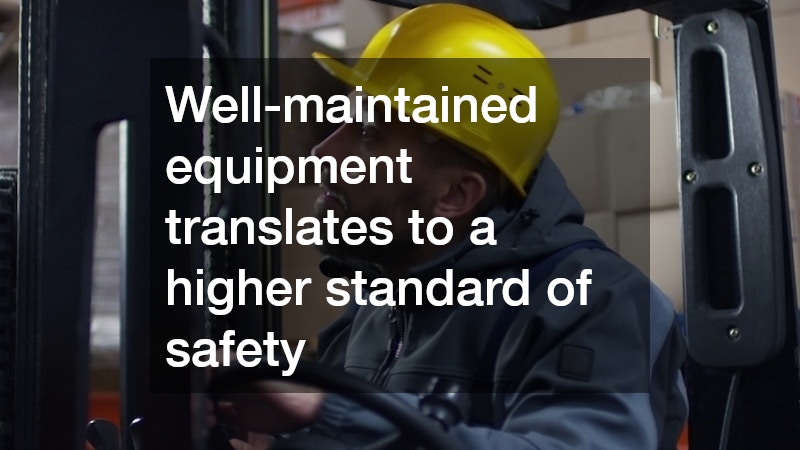
The assurance of well-maintained equipment translates to a higher standard of safety for employees. Faulty equipment can lead to workplace accidents, and regular maintenance checks performed by rental companies can help mitigate this risk. With safety audits and adherence to stringent guidelines, businesses can trust in the consistency and quality of the forklifts they utilize through rental services. This setup not only protects employee health but also shields companies from potential liability and workers’ compensation claims stemming from equipment malfunctions.
Furthermore, many forklift rental agreements provide 24/7 customer support and emergency services, demonstrating a commitment to maintaining operational continuity. This availability ensures businesses can quickly resolve any issues, with minimal impact on operations. Customer support teams typically consist of knowledgeable technicians who can either promptly troubleshoot over the phone or dispatch experts to handle the problem onsite. Entrusting maintenance to seasoned professionals allows businesses to focus on their core functions without the added worry over equipment reliability.
What impact does forklift rental have on operational flexibility and scalability?
Operational flexibility is one of the key advantages of forklift rental arrangements. Businesses facing fluctuating demand can quickly scale equipment up or down to match workload changes, such as seasonal peaks or short-term projects. This approach prevents overinvestment in equipment that may sit idle during slower periods and supports more efficient resource allocation.
Forklift rentals also simplify scalability as businesses grow or contract. Companies can expand their fleets quickly without long lead times or large capital commitments, then reduce equipment levels during downturns without dealing with asset liquidation. This adaptability is especially valuable for organizations managing multiple projects with varying equipment needs. Rental providers offer a range of forklift types and capacities, allowing businesses to select the right equipment for each task without long-term obligations.
Beyond flexibility, rental solutions deliver time and cost savings by shifting capital expenses to predictable operational costs. Maintenance-inclusive agreements ensure access to reliable, up-to-date equipment while supporting safer and more efficient operations. Together, these benefits make forklift rentals a practical strategy for maintaining agility, controlling costs, and responding effectively to changing operational demands.
Forklift rentals offer a practical, cost-effective way for businesses to improve productivity while maintaining financial flexibility. By avoiding large upfront investments and ongoing ownership costs, companies can allocate capital toward growth initiatives rather than depreciating assets. Rental providers also support safer, more efficient operations by supplying well-maintained equipment and scalable solutions that adapt to changing demands. As businesses seek more flexible and sustainable operating models, forklift rental companies increasingly serve as strategic partners, helping organizations strengthen efficiency, manage costs, and stay competitive in an evolving market.