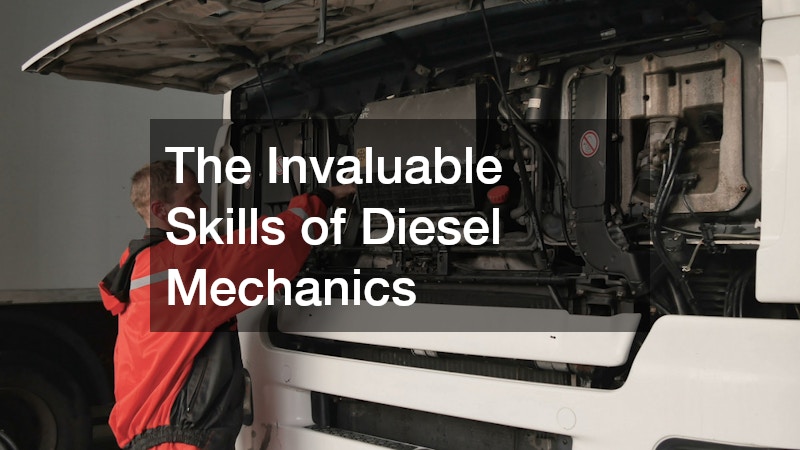
Diesel mechanics occupy a critical niche in the world of automotive repair and industrial maintenance. Unlike general auto technicians, these specialists are trained to work specifically on diesel engines, which power a vast range of vehicles and machinery—from trucks and buses to generators and construction equipment. The skills of a diesel mechanic are not just valuable; they are indispensable for the smooth operation of industries that rely on heavy-duty engines. A proficient diesel mechanic ensures that engines run efficiently, safely, and reliably, preventing costly downtime and extending the lifespan of vital machinery.
A diesel mechanic’s expertise is built on a combination of technical knowledge, hands-on experience, and problem-solving abilities. Diesel engines are inherently more robust than their gasoline counterparts, but they are also more complex.
Understanding fuel injection systems, turbochargers, air brakes, and emission control systems requires specialized training. For instance, a diesel engine operates on compression ignition rather than spark ignition, which means mechanics must understand the precise timing and pressure dynamics involved in combustion. Mistakes in diagnosing or repairing these systems can lead to severe engine damage or safety hazards, underscoring why the skills of a diesel mechanic are highly valued.
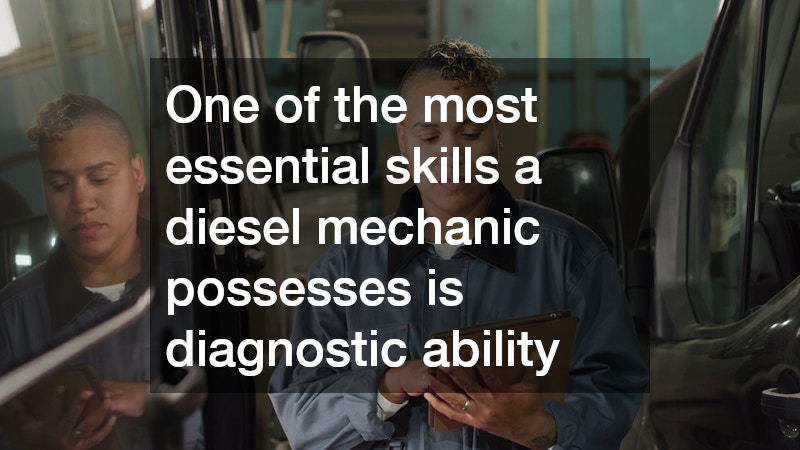
One of the most essential skills a diesel mechanic possesses is diagnostic ability. Modern diesel engines are equipped with advanced electronics and computer-controlled systems that monitor engine performance. When a fault occurs, the diesel mechanic must interpret error codes, test components, and analyze performance data to identify the root cause. This process requires both technical knowledge and critical thinking. Unlike simpler repairs that can be fixed by following a manual step-by-step, diesel engine diagnostics often involve synthesizing multiple pieces of information to make an informed decision. This skill is particularly crucial in a diesel mechanic shop, where efficiency and accuracy directly affect customer satisfaction and operational throughput.
In addition to diagnostics, diesel mechanics excel in mechanical repair and maintenance. Routine tasks like oil changes, filter replacements, and injector cleaning are just the beginning. A skilled diesel mechanic can rebuild engines, replace worn-out components, and calibrate systems to meet stringent manufacturer specifications. This level of expertise often takes years to develop, as each engine type has its own nuances and common issues. In a diesel mechanic shop, having personnel with these advanced skills ensures that both everyday maintenance and complex repairs can be handled in-house, reducing dependency on external service providers and saving time and money for clients.
Another invaluable skill of diesel mechanics is their ability to adapt to evolving technology. Diesel engines are not static; they continuously evolve to meet stricter environmental regulations and improve fuel efficiency. Modern diesel engines incorporate sophisticated emission control systems, such as selective catalytic reduction (SCR) and diesel particulate filters (DPF). A diesel mechanic must stay up-to-date with these innovations to perform effective repairs and maintenance. In a diesel mechanic shop, this knowledge translates into the ability to service a wider range of engines and meet the growing demand for eco-friendly, high-performance diesel vehicles and equipment.
Moreover, diesel mechanics are often problem solvers beyond the mechanical aspects of their work. They interact directly with clients, explaining complex technical issues in understandable terms, providing cost estimates, and recommending preventive maintenance plans. This communication skill is just as important as technical proficiency. A diesel mechanic shop thrives not only on the quality of repairs but also on the trust and confidence clients have in the staff’s ability to diagnose and resolve problems efficiently. Mechanics who can blend technical expertise with effective communication contribute significantly to the reputation and success of the shop.
Safety is another area where the skills of diesel mechanics are critical. Diesel engines and the vehicles they power are heavy and potentially dangerous if not maintained properly. Mechanics must follow strict safety protocols when handling high-pressure fuel systems, heavy engine components, and electrical systems. Mistakes can result in injury or costly damage. In a professional diesel mechanic shop, adherence to safety standards reflects the competence and professionalism of the team, ensuring both staff and customers are protected.
Finally, the value of a skilled diesel mechanic extends beyond the shop floor. Industries such as transportation, construction, agriculture, and logistics rely on diesel-powered equipment to function efficiently. A breakdown can halt operations, delay projects, and incur significant financial losses. Diesel mechanics provide an essential service that keeps engines running smoothly, minimizing downtime and maximizing productivity. Their combination of technical expertise, diagnostic acumen, adaptability, and communication skills makes them indispensable contributors to the broader economy.
In conclusion, the skills of diesel mechanics are invaluable, encompassing technical knowledge, hands-on experience, problem-solving, adaptability, communication, and safety awareness. A well-equipped diesel mechanic shop not only repairs and maintains engines but also supports entire industries by ensuring machinery operates reliably and efficiently. As technology continues to advance and diesel engines evolve, the expertise of diesel mechanics will only grow in importance. Investing in skilled mechanics is investing in the backbone of industrial and transportation infrastructure, making these professionals a critical resource in modern society.