Motor vehicle collisions involving light-duty, medium-duty, or heavy-duty pickup trucks present complex mechanical and structural challenges. When a truck sustains a crash on a high-speed highway or rural bypass, the massive kinetic energy involved spreads across the entire chassis. Heavy steel frame rails can twist under severe torque, suspension components can bend out of alignment, and delicate engine electronics can shut down in an instant. For truck owners, contractors, and fleet operators, managing the scene immediately after an impact requires clear thinking, composed leadership, and a structured recovery plan. The initial focus must always remain on protecting human life, assessing physical injuries, and clearing the immediate hazard from active traffic lanes. Securing prompt help from a reliable dispatch team providing emergency roadside assistance can quickly reduce the risk of secondary crashes while establishing immediate control over a dangerous roadway scenario.
Beyond basic traffic control and safety protocols, the moments directly following a highway incident dictate how smoothly the vehicle recovery process will unfold over the coming weeks. Drivers must document the precise positioning of all involved vehicles, gather badge numbers from responding law enforcement officers, and photograph physical roadway evidence before clean-up crews clear the pavement. Modern pickup trucks contain sophisticated sub-assemblies, including integrated trailer brake controllers, mechanical transfer cases, dynamic stability control units, and multi-zone climate hardware. Damage to any of these integrated systems can transform what appears to be a basic cosmetic fender bender into an extensive, multi-system rebuild project. Understanding the exact sequence of events from roadside dispatch to facility delivery helps owners avoid costly administrative and mechanical oversights during the initial recovery phase.
Resolving Immediate Power Failures and Battery Strain
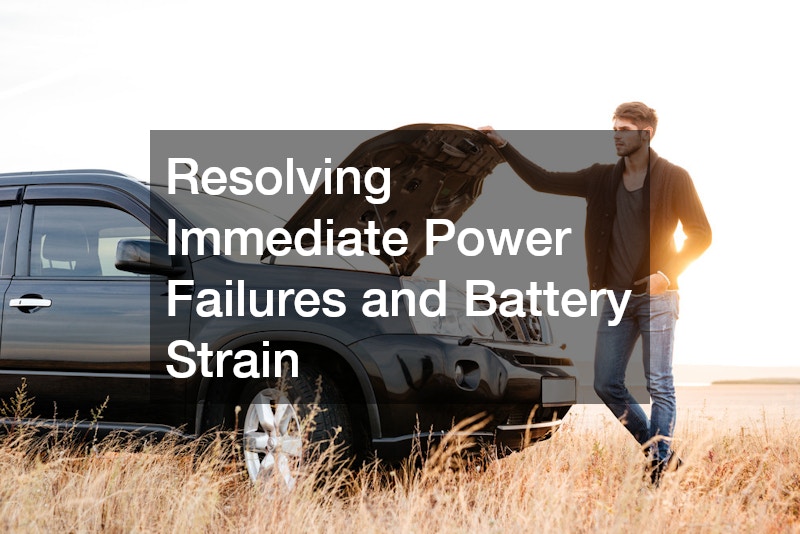
Modern pickup trucks rely heavily on high-capacity electrical architectures to power critical operating systems, ranging from electronic fuel pumps to drive-by-wire steering systems. During a severe vehicle collision, sudden deceleration forces can cause physical destruction inside battery casings, sever primary chassis ground straps, or trigger internal safety relays designed to cut electrical power to prevent fuel fires. Consequently, vehicle owners and recovery drivers frequently find themselves dealing with an engine that refuses to crank, even when visual body damage appears relatively minor. Attempting to restart a crashed vehicle without inspecting the underlying electrical connections carries significant risks to onboard sensitive electronics.
If a depleted battery or a tripped safety relay prevents the starter motor from engaging, requesting a professional jump start can determine whether the engine can idle safely or if major electrical shorts exist across the primary wiring harness. Before attempting any high-current electrical bridge on a damaged pickup, response technicians must carefully inspect the battery casing for hairline cracks, leaking battery acid, or swollen cell walls. A damaged battery can vent combustible hydrogen gas or cause a dangerous short circuit when subjected to sudden current spikes. Furthermore, modern trucks equipped with dual-battery configurations or auxiliary power systems require specific cable connection procedures to protect delicate engine management software. When executed correctly, a controlled power boost allows technicians to scan critical dashboard warning indicators, lower power windows to protect cabin interiors from bad weather, and disengage electronic parking brakes prior to loading the vehicle onto a transport vehicle. Taking these initial electrical precautions prevents further damage to sensitive onboard control modules.
Transporting Heavy-Duty Vehicles Safely Off the Highway
Once immediate scene safety is secured and underlying electrical conditions are properly evaluated, transporting a damaged truck demands specialized heavy-duty equipment. Standard passenger sedans can often be moved using light-duty sling or hook-and-chain trucks, but full-size pickups and commercial work vehicles demand high-capacity flatbeds equipped with proper gross vehicle weight ratings. Improper towing techniques after a severe collision can crack expensive transfer case housings, ruin all-wheel-drive differentials, or strain bent steering components beyond repair. Partnering with an experienced local towing service ensures that recovery crews utilize designated frame attachment points rather than wrapping steel chains around delicate tie-rods or aluminum suspension arms.
The vehicle loading process requires careful mechanical precision and strict adherence to safety protocols. Transport operators must calculate proper weight distribution across the flatbed deck, install multi-point heavy-duty nylon tie-down straps, and verify that loose body panels, shattered glass, or cargo bed debris will not detach during transit. For commercial trucks carrying heavy payloads or towing secondary work trailers, the transport team must also coordinate secondary logistics to secure tools and equipment. Clear communication between the truck owner, law enforcement officers, and the transport driver ensures that the disabled vehicle reaches a certified repair facility without suffering further structural or cosmetic damage along the highway route. Taking these precautions protects both the physical investment in the vehicle and the integrity of subsequent repair estimates. A smooth transition from the roadside to the repair bay lays the foundation for an efficient, hassle-free restoration.
Uncovering Hidden Mechanical Damage Through Modern Telemetry
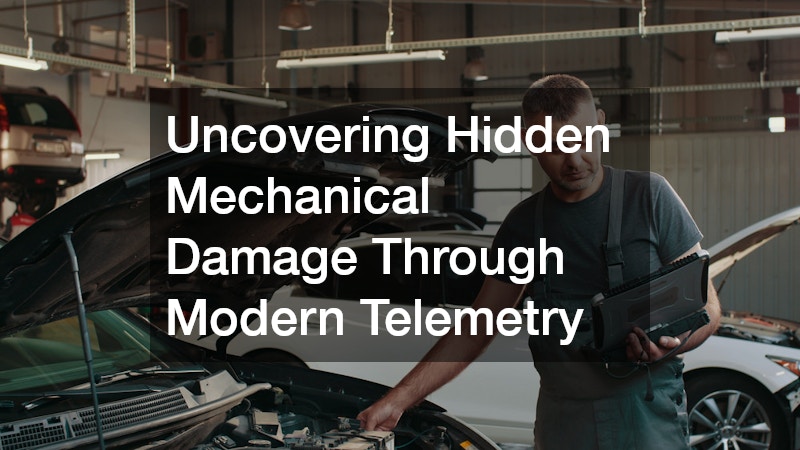
When a damaged pickup arrives at an auto body or mechanical repair shop, visual inspection represents only the initial step of a comprehensive evaluation process. Contemporary trucks function as complex networks of computers, relying on interconnected electronic control units to manage engine timing, transmission shift schedules, anti-lock braking systems, and dynamic rollover protection. Even when exterior body panel deformation appears minimal, underlying electronic networks may have experienced physical disruption or sensor calibration loss during the collision. Repair technicians must run detailed auto diagnostics to scan every individual module for active, pending, and historic fault codes stored within the vehicle memory.
Advanced diagnostic telemetry equipment isolates hidden mechanical and electrical issues that human visual inspections cannot detect. For example, a minor front bumper impact can easily dislodge blind-spot radar modules, pinch engine wiring harnesses, or crack hidden plastic air intake manifolds. Without conducting a complete electronic system scan, subtle problems such as misaligned steering angle sensors or intermittent sensor communication drops can remain unresolved. Identifying these internal diagnostic fault codes early in the repair workflow prevents frustrating engine misfires, rough transmission shifts, and unexpected safety feature failures after the owner takes delivery of the restored vehicle. Comprehensive diagnostic documentation also creates an indisputable audit trail for insurance reimbursements, ensuring that all necessary electronic recalibrations are fully recognized and covered by the claim adjuster.
Precision Body Reconstruction and Paint Refinishing
Following the completion of mechanical and electronic diagnostic scans, repair technicians shift focus toward structural metal restoration and exterior refinishing. High-impact truck collisions frequently result in distorted frame rails, crushed cab corners, crumpled fenders, and buckled bed walls. Specialized auto body facilities utilize computerized laser frame-measuring systems paired with heavy hydraulic pullers to realign the truck skeleton back to original manufacturer specs. For localized sheet metal impressions where the factory clear coat and paint layers remain intact, technicians can utilize a specialized dent removal service to carefully massage damaged panels back into shape without compromising original factory coatings or requiring extensive body filler.
When structural impacts break through paint layers or necessitate complete panel replacement, the vehicle transitions into a multi-stage refinishing process. Modern automotive finishes feature intricate base-coat and clear-coat formulations infused with metallic flakes and pearl additives designed to reflect light across specific angles. Achieving an undetectable color match requires a state-of-the-art car paint shop equipped with digital color spectrophotometers and climate-controlled downdraft spray booths. Meticulous surface sanding, anti-corrosion primer application, and high-temperature baking cycles guarantee that the new paint finish bonds permanently while matching the factory luster across adjacent body panels. This attention to detail restores visual appeal and protects the underlying steel from rust and environmental wear over the years of heavy use.
Replacing Exterior Cargo Systems and Aftermarket Upgrades

Pickup trucks are frequently customized with specialized exterior hardware tailored for trade utility, gear storage, and off-road capability. During high-speed side impacts, rear-end collisions, or rollover accidents, these aftermarket exterior systems often absorb significant structural force. Cargo utility boxes, side steps, overhead ladder racks, and rear tailgates can deform, leaving costly work tools and personal equipment vulnerable to weather exposure or theft. Throughout the rebuilding process, body shop managers must evaluate and replace compromised exterior accessories to restore full functional utility to the vehicle bed. Installing a brand-new aluminum or composite bed cover keeps trade equipment, recreational gear, and cargo completely protected from rain, snow, and unauthorized access.
In addition to cargo enclosures, comprehensive repair plans must evaluate auxiliary lighting arrays, heavy-duty towing hitches, front winch bumpers, and running boards. Insurance adjusters and shop estimators need to document every damaged aftermarket component to ensure settlement estimates reflect the full monetary value of the customized truck. Sourcing high-grade truck accessories from reputable manufacturers guarantees factory-level fitment, proper weight distribution ratings, and structural durability. Restoring these utility features allows tradespeople and outdoor enthusiasts to return to their daily work routines with complete confidence in their vehicle capabilities, ensuring that functionality matches original pre-crash standards. Proper documentation of these upgrades ensures no value is lost during insurance negotiations.
Cabin Restoration and Interior Comfort Retrofitting
While exterior body restoration and chassis straightening command substantial attention, interior cabin reconditioning plays an equally vital role in vehicle comfort and occupant safety. Severe collisions can displace interior dashboard assemblies, fracture seat frames, tear upholstery, and deploy steering wheel or side-curtain airbags. Disassembling the cabin interior to repair underlying floor pans or replace damaged airbag wiring harnesses provides a natural opportunity to upgrade damaged seating assemblies. For truck owners who operate in cold climates or spend long hours on job sites, having custom heated seats installed during interior reassembly delivers significant daily driving comfort while restoring overall vehicle resale value.
Restoring a damaged interior requires rigorous attention to electrical wiring, seat anchor points, and climate control integration. Technicians must carefully route heating element harnesses, safety relays, and control switches beneath carpeting and upholstery to avoid wire pinching or grounding faults. Thoroughly testing the electrical current draw and thermal performance of new interior heating elements ensures safe, reliable operation that will not overload the main electrical system. A restored cabin featuring fresh upholstery, fully functioning heating components, and restored sound deadening transforms a post-crash interior back into a refined, quiet, and comfortable mobile workspace, making long trips pleasant and stress-free once again. Quality interior workmanship guarantees that the driver enjoys long-term ergonomic support and cabin comfort.
Navigating Insurance Claims and Legal Representation

Restoring a heavy pickup truck after a major crash involves substantial financial resources spanning emergency towing, diagnostic scanning, mechanical repairs, specialized paintwork, and custom equipment replacement. Navigating complex insurance claim negotiations can quickly become overwhelming, especially when insurance adjusters attempt to minimize repair costs, mandate cheap aftermarket parts, or understate the total vehicle valuation. Complex traffic incidents involving commercial vehicles, multi-car pileups, or physical injuries require a structured legal defense strategy to ensure vehicle owners receive fair compensation for property damage, loss of vehicle use, and diminished market value.
Engaging an experienced truck accident lawyer provides vehicle owners with dedicated advocacy throughout every legal and administrative claim phase. A skilled legal representative understands how to obtain commercial driver logbooks, analyze event data recorder telemetry, and establish clear fault among involved parties. Furthermore, legal counsel ensures that final compensation claims account for every financial loss, including rental vehicle expenses, business downtime, and long-term diminished value resulting from collision records. Retaining professional legal support allows truck owners to focus on personal recovery while legal experts handle complex settlement negotiations to secure complete financial recovery across all repair and personal injury domains. This professional advocacy ensures that vehicle owners are never forced to accept unfair settlements or incomplete repairs.
Rebuilding Peace of Mind After a Collision
Recovering from a major truck crash is a multi-stage journey that connects roadside emergency response with precise mechanical repair, cosmetic refinishing, and aggressive legal protection. Every step in this blueprint plays an essential role in transforming a damaged work vehicle back into a safe, reliable, and comfortable asset. By approaching the post-crash process systematically, truck owners can avoid financial pitfalls, ensure that every hidden mechanical fault is addressed, and recover the full monetary value of their vehicle. Whether managing a single personal pickup or an entire commercial fleet, having a trusted network of automotive professionals and legal advisors ensures that unexpected highway accidents do not disrupt long-term operations or personal peace of mind.